Bilateral Foraminal Stenosis And Spondylolisthesis

Decompression And Spinal Fusion In Low Grade Spondylolisthesis

An Absence Of Normal Fat Around The Root Indicates Foraminal

Severe Lumbar Spinal Stenosis With Spondylolisthesis
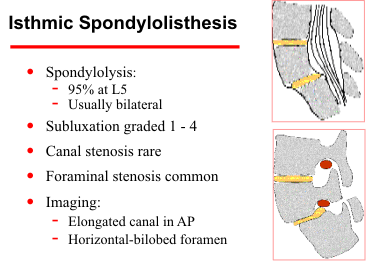
Untitled Document

Severe Lumbar Spinal Stenosis With Spondylolisthesis
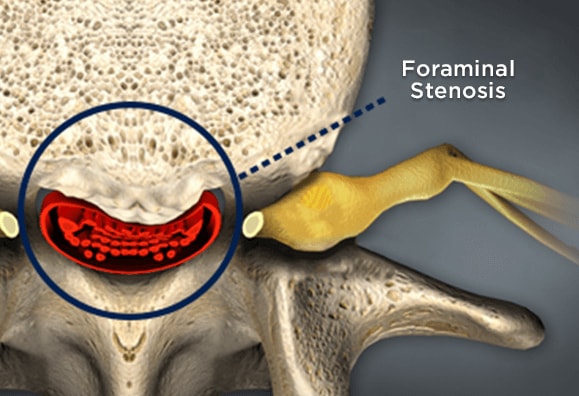
Foraminal Stenosis Causes Symptoms Treatment Bonati
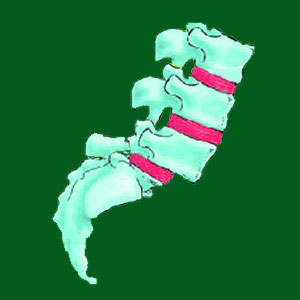
Foraminal stenosis is a specific type of spinal stenosis.
Bilateral foraminal stenosis and spondylolisthesis. A bilateral positive straight leg raise and a positive reverse straight leg raise in prone position. Image courtesy of joshua m. Foraminal stenosis causes are often caused by the natural aging process however there are a number of conditions that can lead to foraminal narrowing including. Foraminal stenosis is a normal and universally experienced condition among adults in the lower back and neck with focal areas of stenotic activity affecting the areas from l4 to s1 and from c5 to t1.
The good news is that this condition is typically very manageable. The sagittal mri fig. 2 below shows severe spinal stenosis at l4 l5 with grade 1 spondylolisthesis. As the nerve becomes trapped there may be pain muscle.
When the bones of the spinal column wear down through normal wear and tear they cause spinal pressure on the foraminal canals and limit the space in the spinal canal through which the nerve roots travel. Causes of foraminal stenosis. Neural foraminal stenosis is a condition where a nerve in the spine becomes compressed as the openings between the vertebrae become smaller. The symptoms of lumbar foraminal stenosis often radiate from the lower back into the leg foot or glute.
And finally in cases of bilateral foraminal stenosis whatever symptoms you have will manifest on both sides of your body. Spondylolisthesis foraminal stenosis describes narrowing of the neural foramina due to misalignment of spinal bones caused by vertebral migration. Is foraminal stenosis serious. Foraminal stenosis is not the same as a pinched nerve as is often mistakenly perceived by laymen.
Nerves pass though the foramen from your spinal cord out to the rest of your body. Bilateral foraminal stenosis is usually caused by a degenerative condition of the spine. A preoperative x ray fig. When the foramen close in the nerve roots passing.
1 below demonstrates a grade 1 spondylolisthesis with degenerative disc disease at l4 l5.
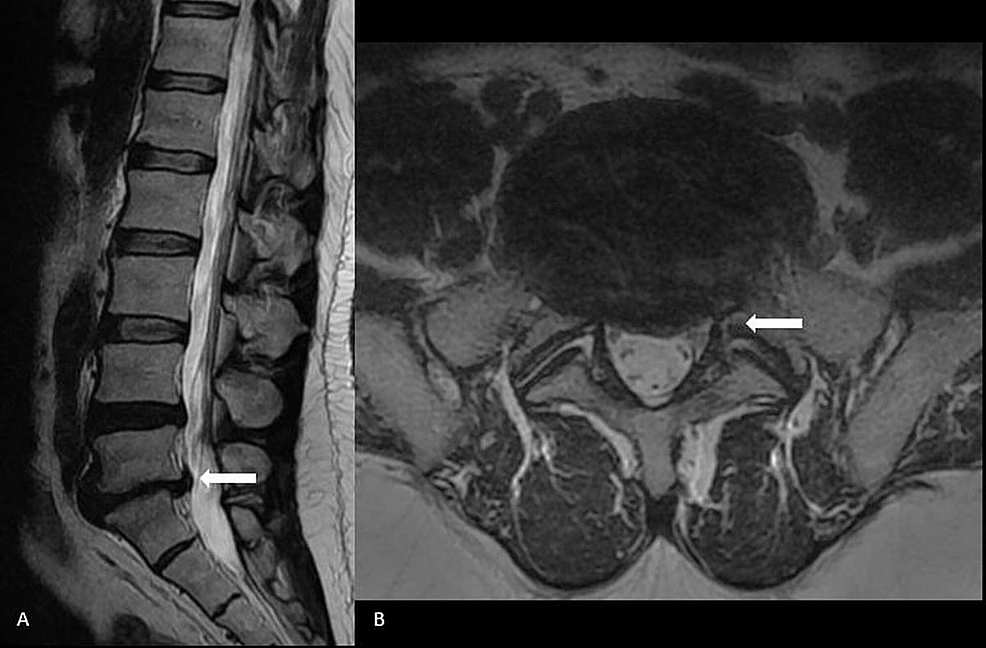
Cureus Frequency Of Severity Of Disability In Patients With
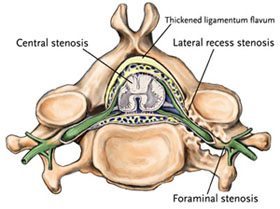
Minimally Invasive Procedures To Treat Foraminal Stenosis Msi
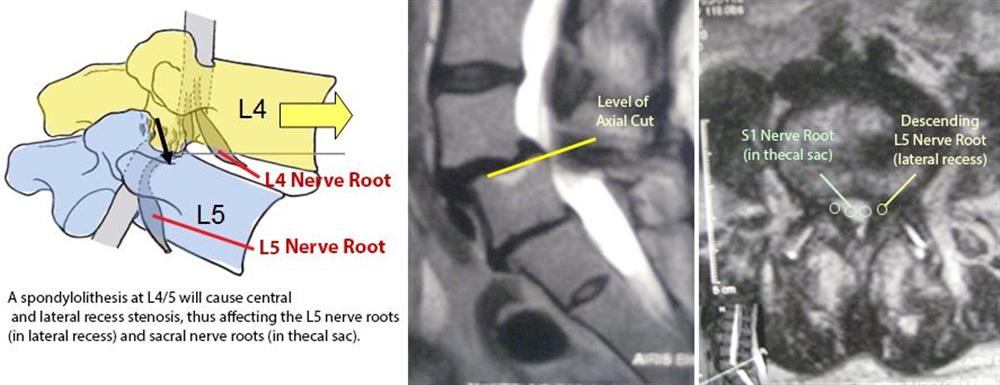
Degenerative Spondylolisthesis Spine Orthobullets

Yoga Therapy For Spodylolisthesis And Foraminal Stenosis
Spondylolisthesis Foraminal Stenosis Spondylolisthesis
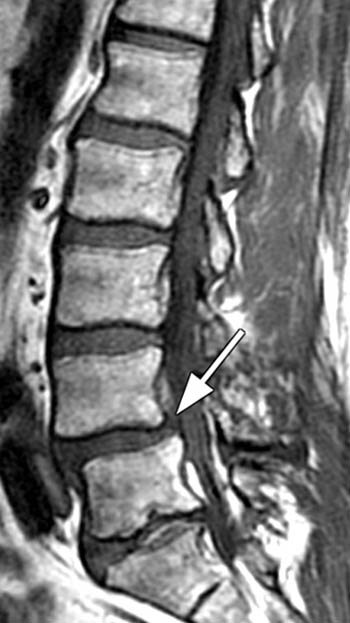
Spondylolisthesis Spondylolysis Radsource

L5 S1 Spondylolisthesis In A Young Female Previous Gymnast

T2w Sagittal Mri Shows Grade I L4 L5 Spondylolisthesis With
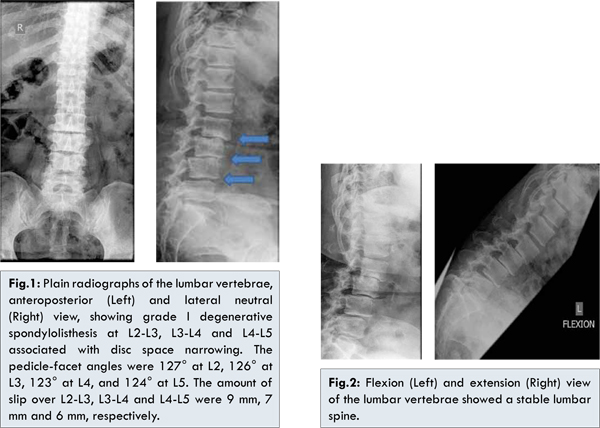
3 Level Degenerative Spondylolisthesis With Spinal Canal Stenosis

Isthmic Spondylolisthesis Symptoms Condition 3 Spinal

Adolescent High Grade Isthmic Spondylolisthesis Sierra

Adult Isthmic Spondylolisthesis Spine Orthobullets
Lumbar Spinal Stenosis An Update On The Epidemiology Diagnosis
