Bilateral Leg Pain With Fever

An Elderly Man With Leg Pain And Chronic Rash Consultant360

Case Study Leg Pain Nausea And Malaise Clinical Advisor
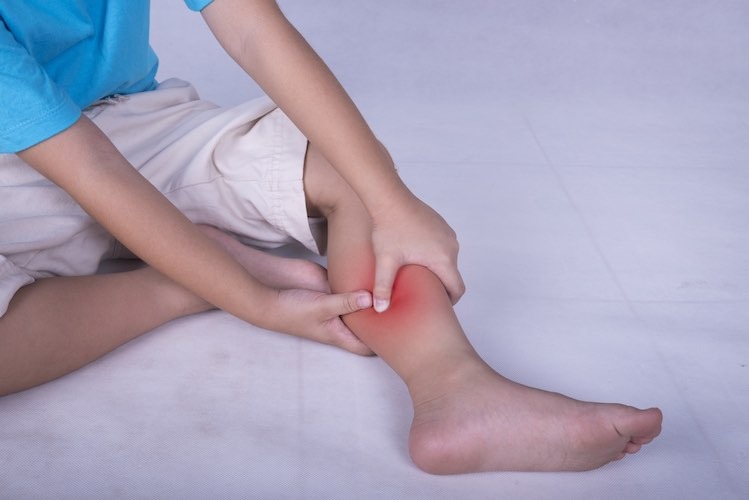
Influenza Related Muscle Pain Cases No Cause For Alarm Mydr Com Au

A 4 Year Old Girl Presents With Reddish Purple Lesions On

Rash Triggers Joint Pain In An 8 Year Old Girl Contemporary
:max_bytes(150000):strip_icc()/jointpainfinal-01-5c632f5246e0fb0001f0901b.png)
Joint Pain Causes Treatment And When To See A Doctor

Have a doctor evaluate the problem when those symptoms are present.
Bilateral leg pain with fever. Infections of the leg skin joints or bones frequently cause the abrupt onset of fever and pain. In most cases the child also has a history of recent fever runny nose sore throat and other upper respiratory symptoms. Kidney pain also known as renal pain is caused by the injury impairment or infection of the kidneys the kidneys are a pair of bean shaped organs situated on either side of the spine that are responsible for filtering blood and maintaining the correct balance of fluids and electrolytes in the body. Some leg pain is simply annoying but more severe leg pain can affect your ability to walk or to bear weight on your.
This patient has acute onset of fevers and bilateral ankle pain and swelling. We present the case of a patient with suspected bilateral osteomyelitis that demonstrates the need to consider malignancy and perform a workup for leukemia in children who present with persistent bone pain and. The pain may be described as dull and throbbing or sharp and severe depending on the. A 39 year old man presents to the emergency department with 3 days of progressive bilateral leg pain nausea and malaise.
Gradually evolving pain with intermittent fevers provokes suspicion for a chronic condition. A lump appears in the affected muscle and this lump may hurt when you press it. This pain is often worst in the calf muscles. Accurate diagnosis of the underlying cause of fever and leg pain along with prompt treatment minimizes the risk for complications.
1 rarely if the underlying cause of your sciatica becomes severe it may produce troubling symptoms when your spinal nerve roots and or spinal cord get compressed sometimes triggering a medical emergency. He denies having a fever back pain swelling dyspnea injury overuse. While your sciatica pain can be severe and cause your leg to feel weak the symptoms typically do not produce any long term complications. Common physical examination findings in addition to purpura fever and pallor are hepatomegaly splenomegaly and lymphadenopathy.
It can take a number of forms stabbing sharp dull aching or tingling. Bilateral ankle arthritis is a very unusual presentation for gout and would be very unlikely in such a young patient unless there were other risk factors for gout. A child suddenly has trouble walking and complains of severe leg pain. The simultaneous occurrence of fever and leg pain often points to the presence of an infectious or autoimmune disorder.
But watch out if a child is limping refuses to bear weight on a leg has swelling or prolonged leg pain seifried advised.

Index Of Suspicioncase 1 Bilateral Leg Swelling Severe Pain And
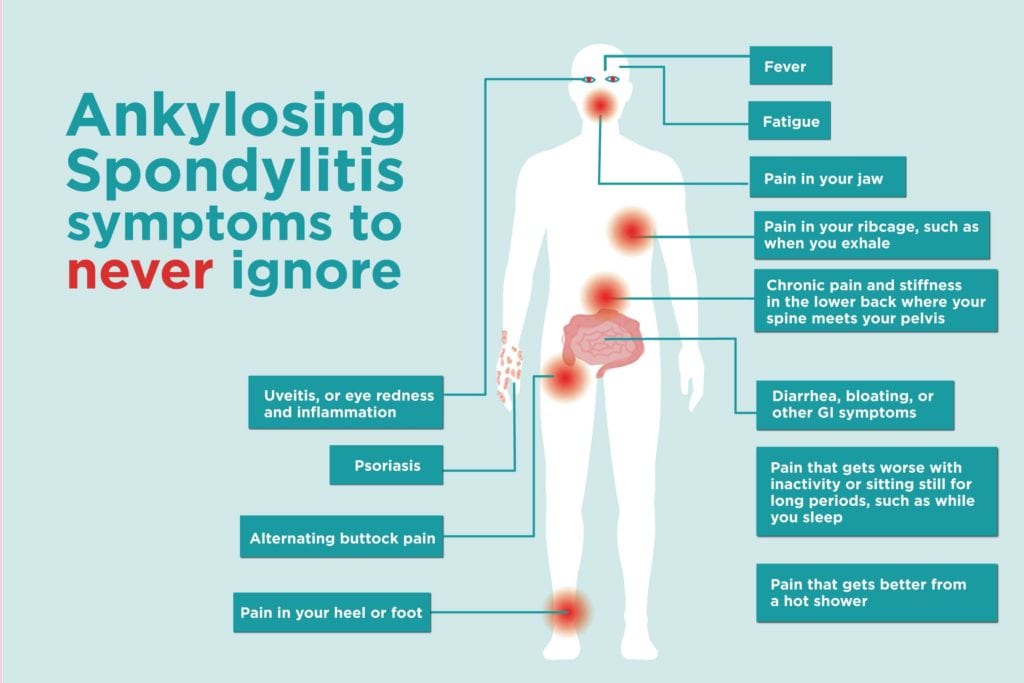
Common Ankylosing Spondylitis Signs And Symptoms
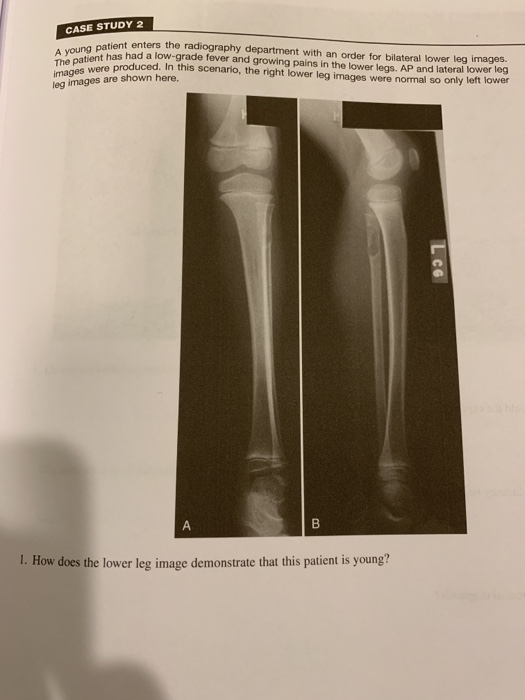
Solved Case Study 2 Patient Enters The Radiography Depart

Calf Pain 10 Causes Treatment And Stretches

Joint Pain In Kids Causes Treatment And When To See A Doctor

Leg Pain In Children Symptoms Causes Treatments

Neuroblastoma A 6 Year Old Boy With Intermittent Fevers

World Arthritis Day Don T Ignore Joint Pain With Fever Fatigue
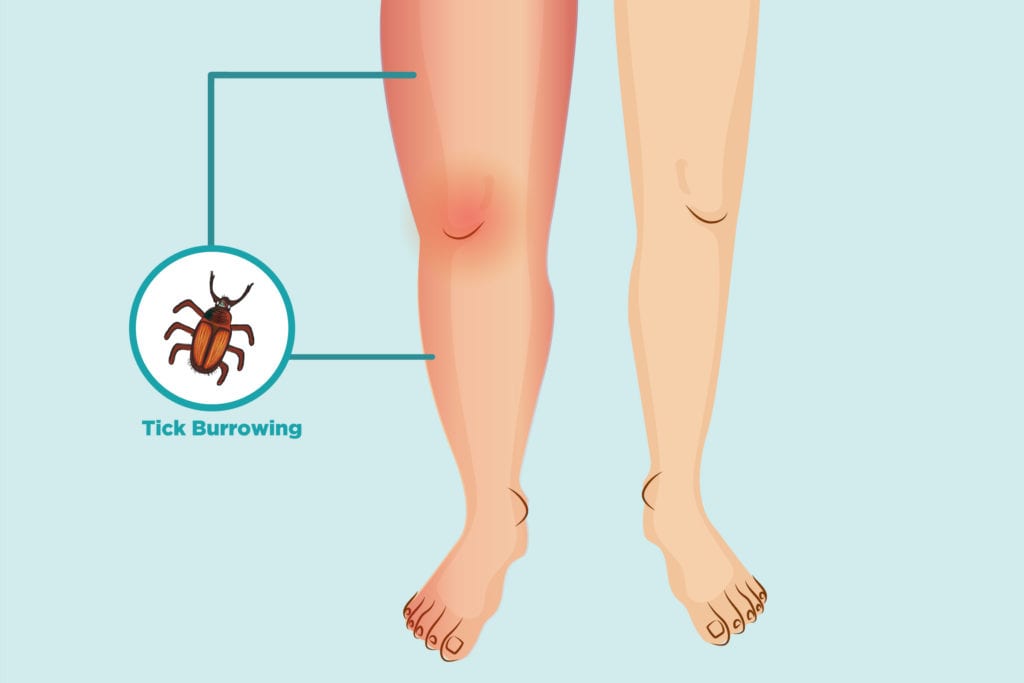
Lyme Arthritis Symptoms And Treatment

Differentiating Between Red Legs And Cellulitis

Cellulitis And Its Mimickers

A Fit Man With Fever And Pain In Both Thighs Tidsskrift For Den
Differentiating Between Red Legs And Cellulitis