Bilateral Oophorectomy Menopause
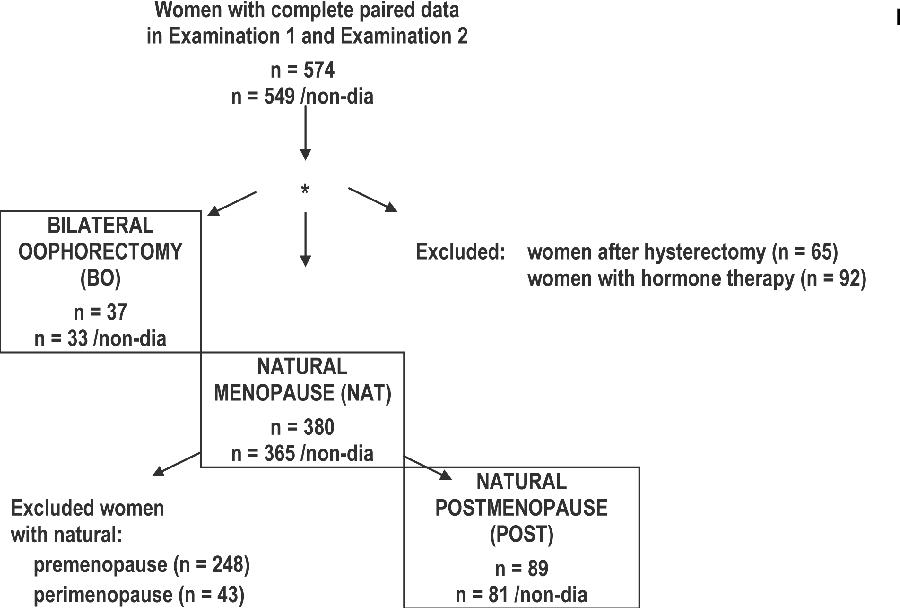
Pdf Bilateral Oophorectomy May Have An Unfavorable Effect On
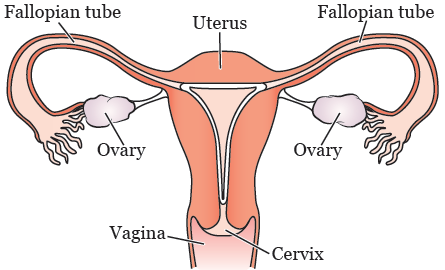
About Your Bilateral Salpingo Oophorectomy Memorial Sloan

Breast Cancer Risk Menopausal Status And History Of Bilateral

Bilateral Oophorectomy And The Risk Of Incident Diabetes In

Oophorectomy Or Salpingectomy Which Makes More Sense Mdedge Obgyn
Https Www Amjmed Com Article S0002 9343 05 00915 0 Pdf

When both are removed it s called a bilateral salpingo oophorectomy.
Bilateral oophorectomy menopause. Women undergoing premature menopause either because of bilateral oophorectomy or premature ovarian failure are faced with consequences of long term hormone exposure that are unknown in the population younger than the average age of natural menopause. After bilateral oophorectomy the supply of estrogen in the body reduces almost immediately leading to the development of menopausal symptoms that often are much more severe than would be experienced by a woman undergoing natural age associated menopause. For those that haven t yet experienced menopause oophorectomy reduces the risk of breast cancer and ovarian cancer while mastectomy reduces only the risk of breast cancer. Vujovic et al 2010.
A bilateral salpingo oophorectomy is a surgery to remove both your fallopian tubes and ovaries. There aren t many options for preventing ovarian cancer. They may also remove the uterus the fallopian tubes the cervix. This is a procedure in which a surgeon removes both ovaries.
In those with an increased risk of ovarian cancer an oophorectomy is commonly combined with surgery to remove the nearby fallopian tubes salpingectomy since they share a common blood supply with the ovaries. This procedure is used to treat a variety of conditions including ovarian cancer. In agreement with the 2010 guidelines of the european menopause and andropause society emas we suggest that women who undergo bilateral oophorectomy before the onset of natural menopause or experience premature or early natural menopause should be considered for hormonal treatment until the average age of natural menopause and that the results from the whi trials should not be applied to them shuster et al 2010. Your doctor will explain why you re having the surgery.
You may be having a bilateral salpingo oophorectomy for different reasons such as you have an ovarian cyst or have a high chance of having ovarian cancer in the future. Surgical menopause can occur after undergoing bilateral oophorectomy. Bilateral oophorectomy at the time of hysterectomy for benign disease is commonly practiced in order to prevent the subsequent development of ovarian cancer or other ovarian pathology that might re. Sometimes healthy ovaries and fallopian.
It remains to be determined at what age ht should be stopped in women with premature menopause.
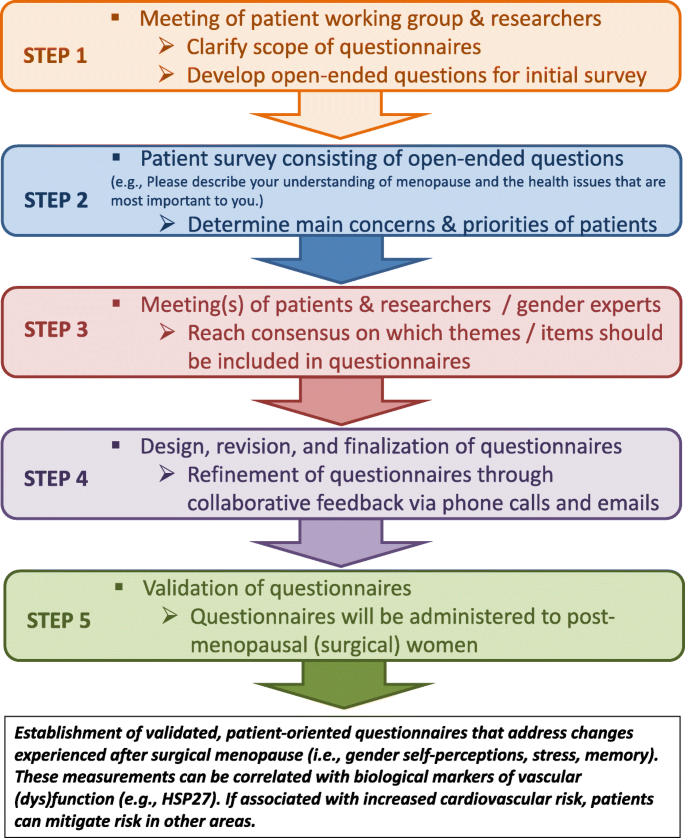
Prophylactic Salpingo Oophorectomy Surgical Menopause For
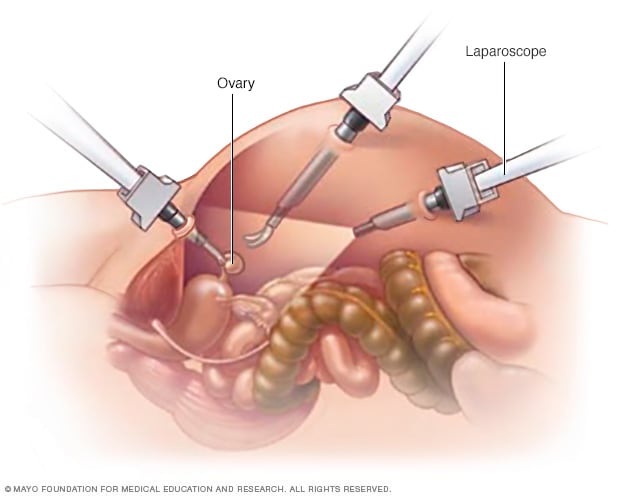
Oophorectomy Ovary Removal Surgery Mayo Clinic

Increased Risk Of Parkinsonism In Women Who Underwent Oophorectomy

Androgens Bilateral Oophorectomy And Cardiovascular Disease
Https Bmjopen Bmj Com Content Bmjopen 7 11 E018861 Full Pdf
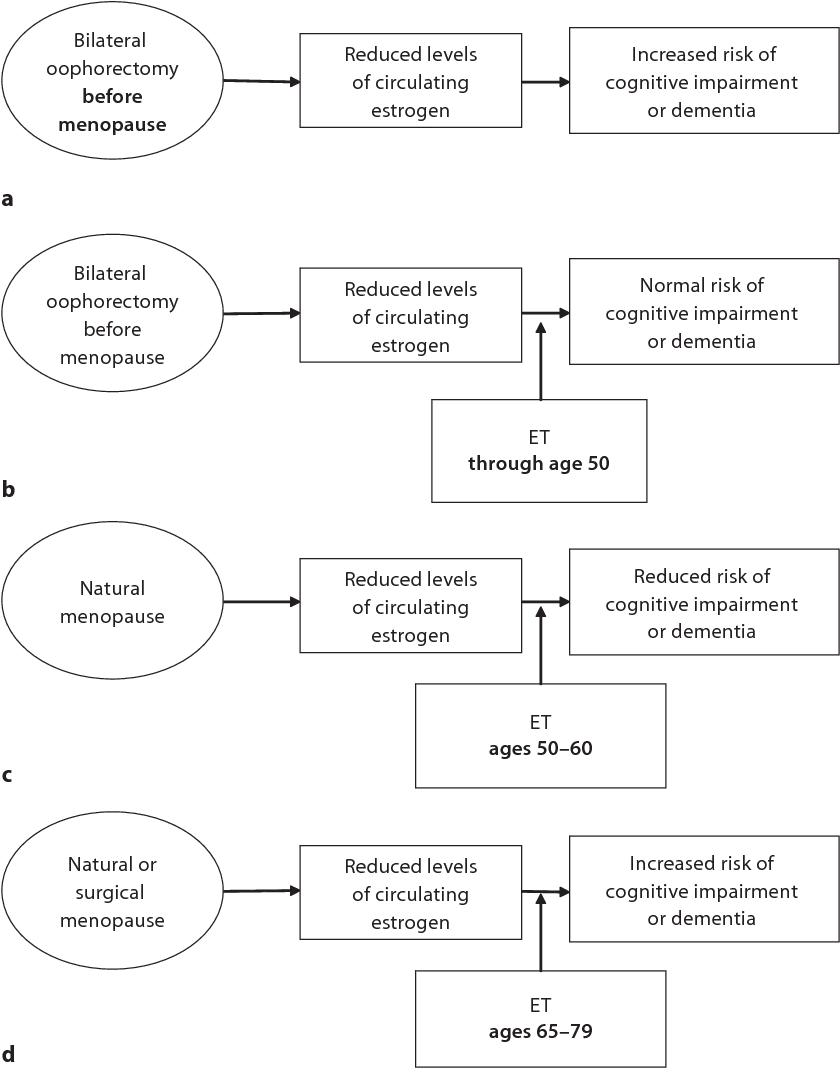
Oophorectomy Menopause Estrogen And Cognitive Aging The Timing
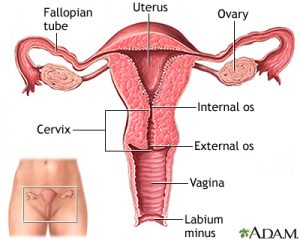
Surgical Menopause A Detailed Look Earlymenopause Com

Oophorectomy Procedure Recovery Time And Side Effects

Laparoscopic Oophorectomy Healthdirect
/Abdomen-568919615f9b586a9e61ceb1.jpg)
Bilateral Salpingo Oophorectomy Overview
Pdf Effect Of Bilateral Oophorectomy On Women S Long Term Health
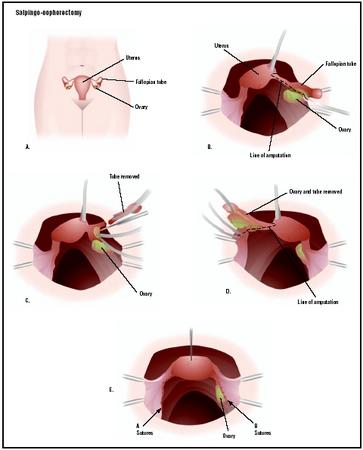
Salpingo Oophorectomy Procedure Recovery Blood Tube Removal
Https Www Fertstert Org Article S0015 0282 16 61130 5 Pdf