Bilateral Salpingectomy For Sterilization

Bilateral Salpingectomy Surgery Vlog Permanent Sterilization
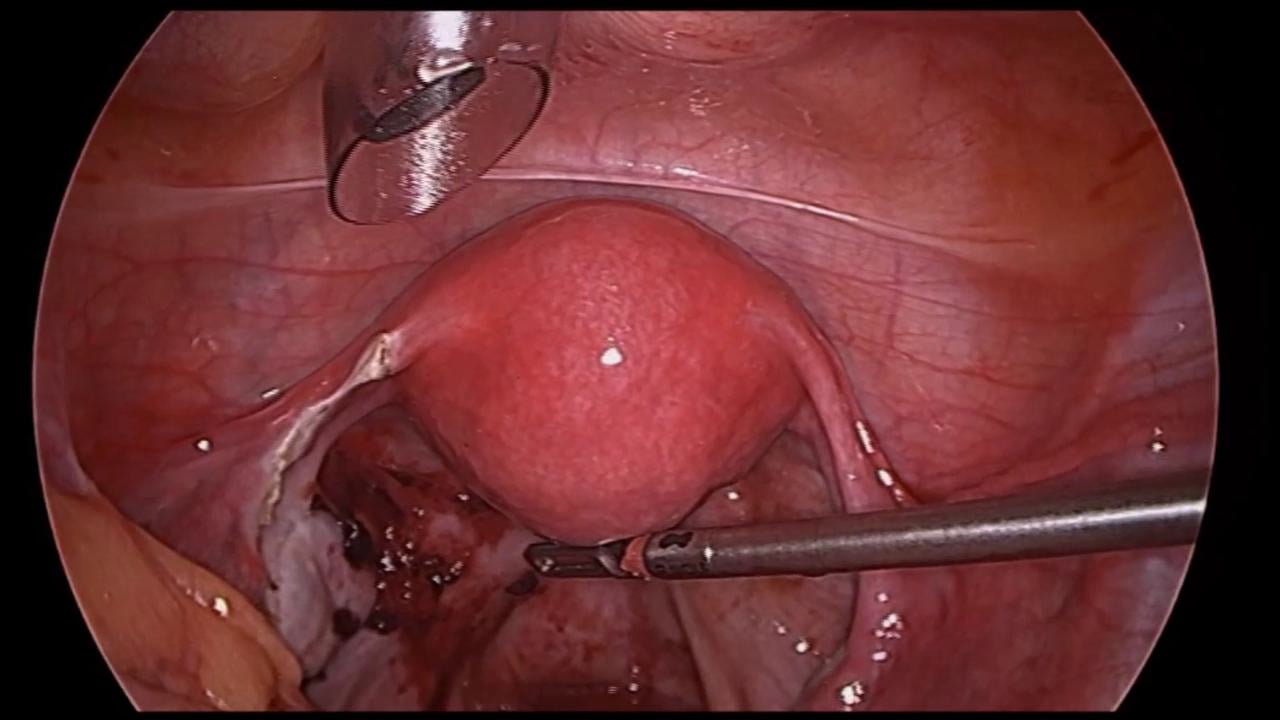
Prophylactic Salpingectomy

Salpingectomy During Cesarean Delivery A B The Engorged
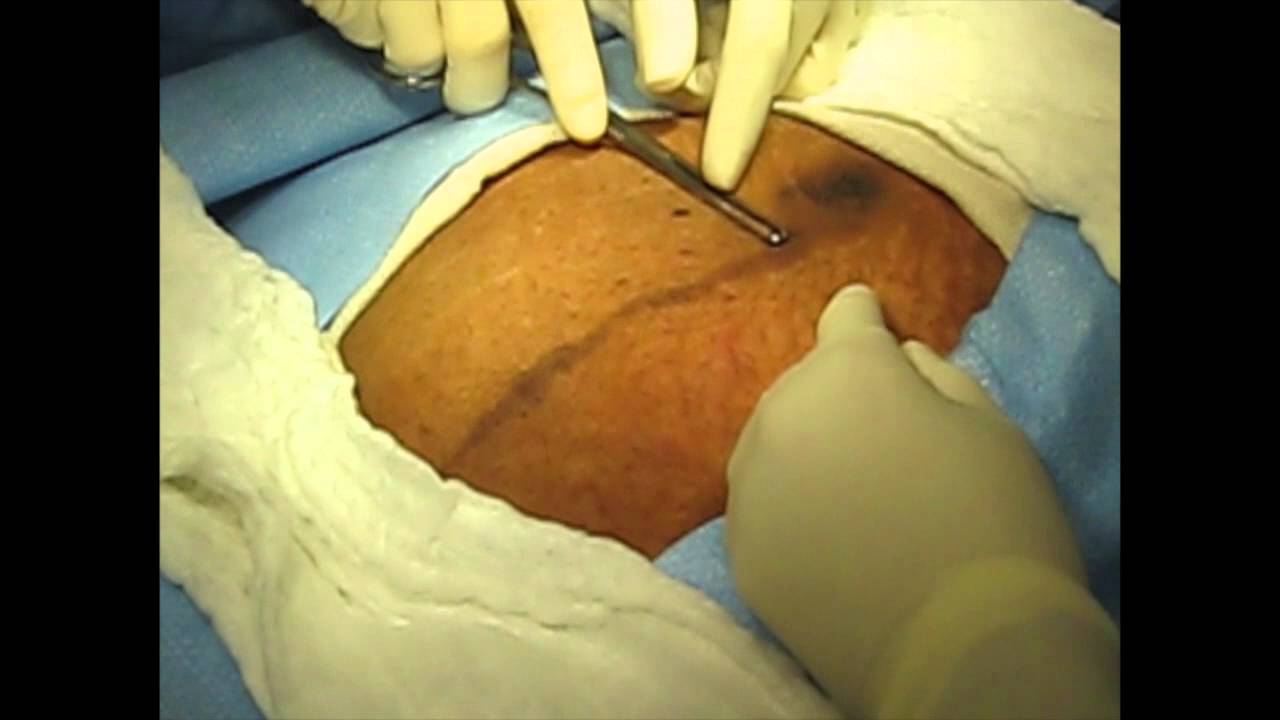
Postpartum Bilateral Salpingectomy Using The Alexis Retractor And
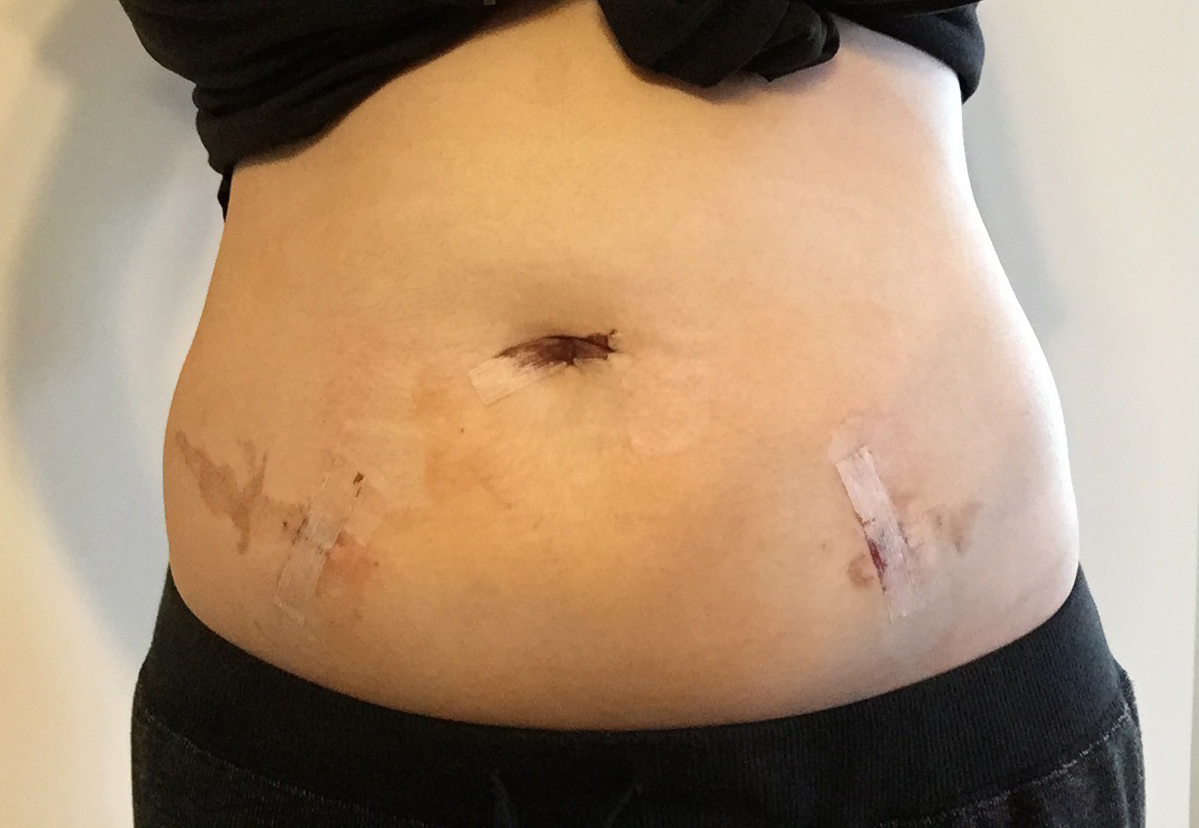
My Sterilization Experience Part 3 Girlvetica

I M Child Free By Choice And I Finally Got My Tubes Tied Trust

Bilateral salpingectomy gains favor for sterilization.
Bilateral salpingectomy for sterilization. Our objective was to compare short term intra and post operative complication rates of bilateral total salpingectomy versus partial salpingectomy performed during the course of a cesarean delivery. Sterilization via bilateral total salpingectomy is slowly replacing partial salpingectomy as it is believed to decrease the incidence of ovarian cancer. Fallopian tubes allow eggs to travel from the ovaries to the uterus. It is probably the newest thing on the block.
This is becoming super widespread eve espey md said of the procedure during a contraceptive update at the annual clinical and scientific meeting of the american college of obstetricians and gynecologists. Salpingectomy should be the primary female sterilization procedure because it is permanent and may prevent some types of ovarian cancer that actually begin in the fallopian tube according to a. Opportunistic bilateral salpingectomy is gaining favor as an approach to sterilization including in the vaginal delivery setting. Covering salpingectomy for sterilization as tubal ligation via salpingectomy.
I had to have it removed due to the 5 year mark and decided not to get another due to not needing it for birth control protection. Bilateral salpingectomy for female sterilization is considered medically necessary as an alternative to tubal ligation or occlusion of the fallopian tubes procedures in members who are 21 years of age and older. Salpingectomy a surgical procedure where both fallopian tubes are removed to decrease a woman s lifetime risk of ovarian cancer has increasingly become common clinical practice in gynecologic surgery at the time of hysterectomy or sterilization. A partial salpingectomy is when.

I M Child Free By Choice And I Finally Got My Tubes Tied Trust

Opportunistic Salpingectomy How Is This Not Totally A Thing

Bilateral Salpingectomy Gains Favor For Sterilization Mdedge Obgyn
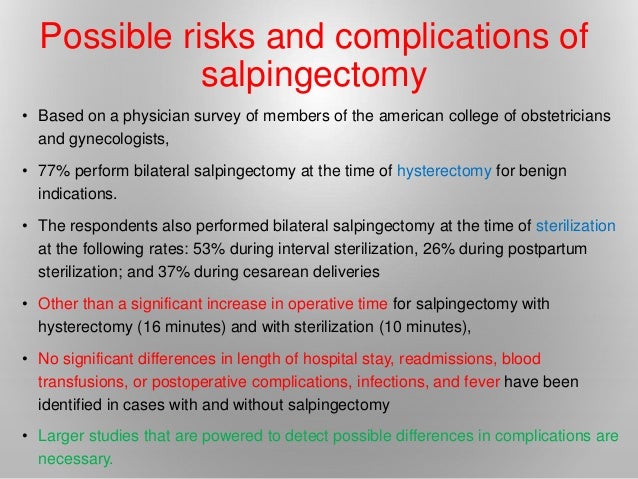
Salpingectomy For Ovarian Risk Reduction

My Sterilization Experience Part 4 Girlvetica
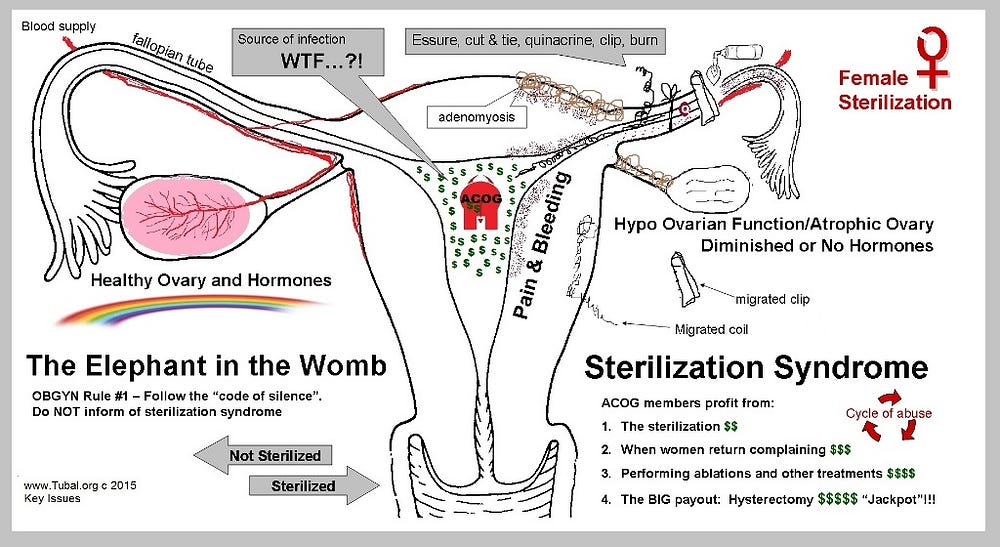
Ovarian Isolation Female Castration By Susan Bucher Bsn
Bilateral Salpingectomy Removing My Tubes Aseky Co
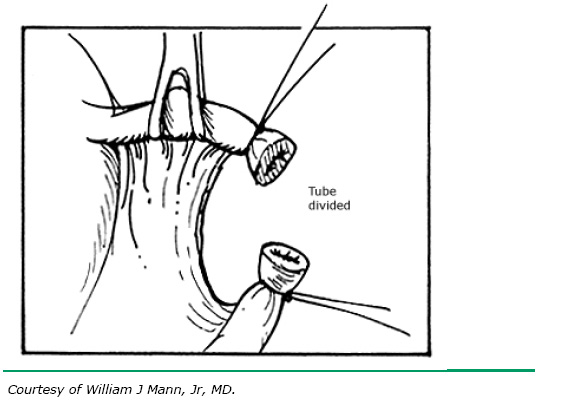
Surgical Procedures For Tubal Sterilization Glowm

My Sterilization Experience Part 3 Girlvetica
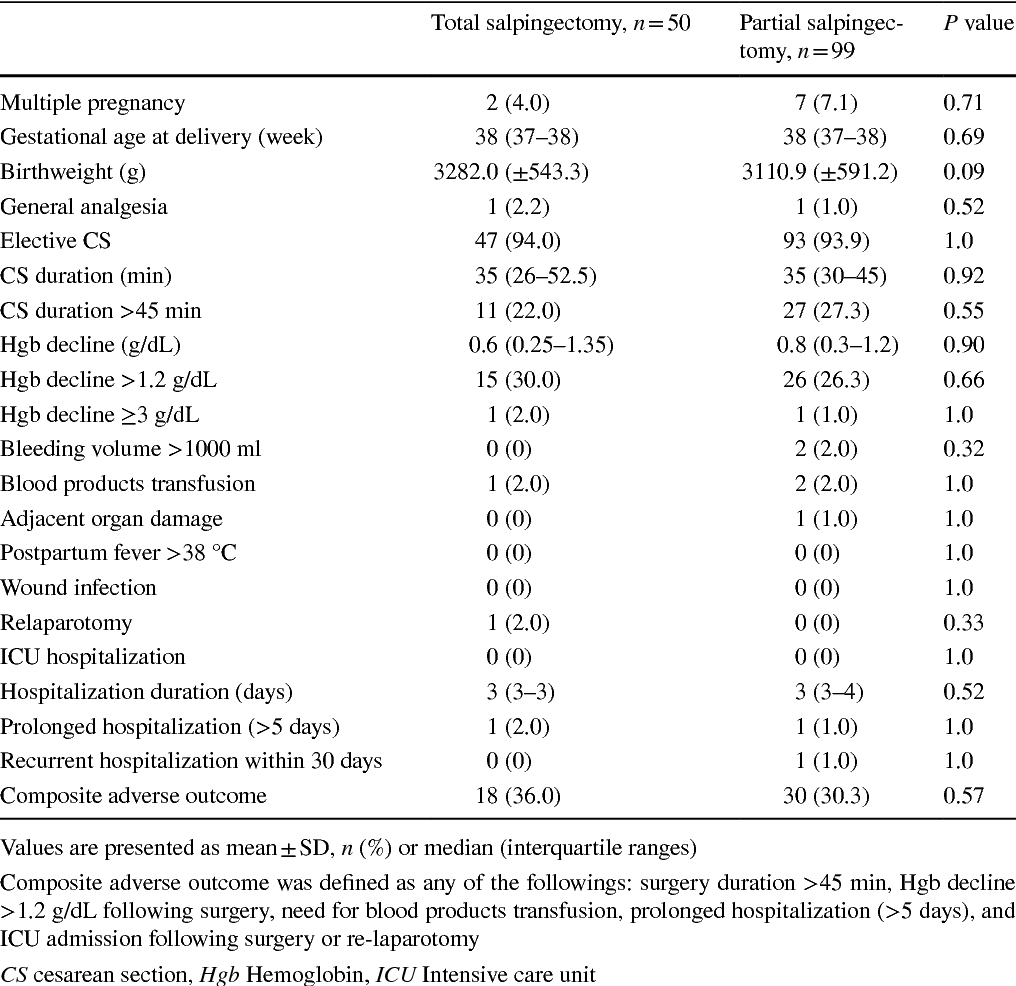
Table 2 From Total Bilateral Salpingectomy Versus Partial

Essure Problems Essure Removal Information

710 Bilateral Salpingectomy Vs Tubal Ligation For Permanent

Tubal Ligation Techniques Reprinted With Permission From Hatcher
