Bilateral Sensorineural Hearing Loss In Babies
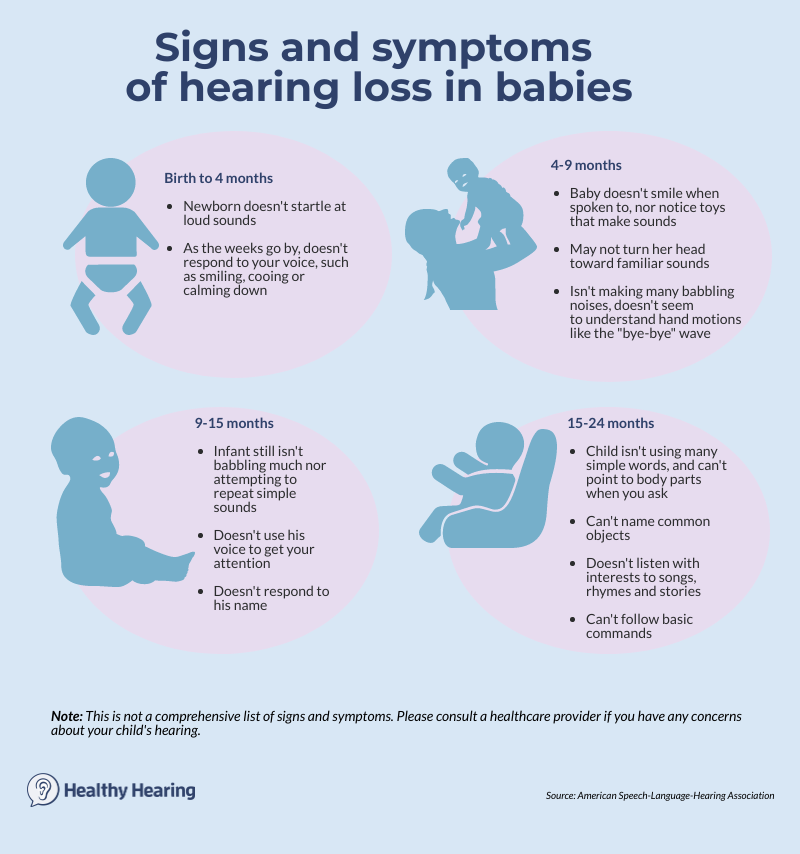
Hearing Loss In Children Everything You Need To Know
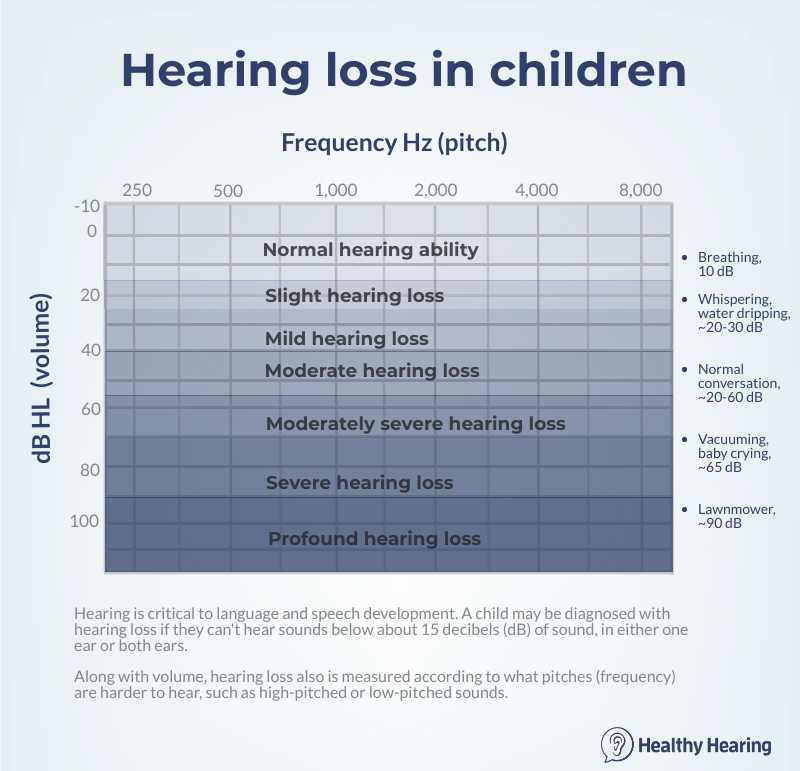
Hearing Loss In Children Everything You Need To Know

Raising Deaf Kids

Child With Bilateral Sensorineural Hearing Loss Loves Her Ears
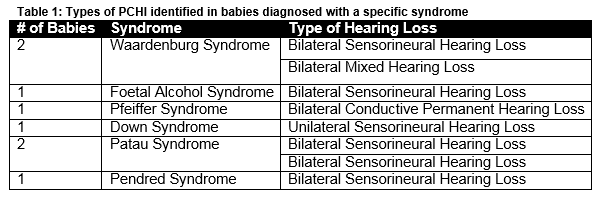
Permanent Childhood Hearing Impairment Aetiological Evaluation Of

What Is Bilateral Sensorineural Hearing Loss Hearing Loss

There are 3 types of hearing loss.
Bilateral sensorineural hearing loss in babies. It s far more rare. Sensorineural hearing loss can be present at birth. Even one time exposure to sounds like gunshots. However for every child with bilateral profound hearing loss 1 or 2 are born with lesser degrees of bilateral or uhl.
Hearing loss is the number one birth defect in the u s. It is a permanent condition that usually affects both ears. Sensorineural hearing loss causes congenital. The incidence of severe to profound sensorineural hearing loss snhl in children is approximately 1 2000 at birth and 6 1000 by 18 years of age.
Conductive sensorineural and mixed. Some causes include prematurity maternal diabetes lack of oxygen during birth genetics and infectious diseases passed from the mother to child in the womb such as rubella. Sensorineural hearing loss involves problems with the transmission of sound information from hair cells deep within the ear to the nerve that sends sound information to the brain. Sensorineural hearing loss can also be present at birth because the mother suffered certain types of infections during pregnancy such as toxoplasmosis rubella cytomegalovirus or syphilis.
Or it can occur later in life. Congenital sensorineural hearing loss happens during pregnancy. Children with hearing loss should definitely be enrolled in speech therapy at a young age to ensure that they develop speech and language skills as normally as possible. 1 although these numbers indicate that snhl is relatively common it remains underappreciated and underdiagnosed in children.
For these reasons much of what we know about etiology of hearing loss in children is related to moderate or greater degrees of loss. It is estimated that 50 of sensorineural hearing loss present at birth does not occur on a genetic basis. For example the severe to profound unilateral losses are often not recognized until kindergarten when the child undergoes the first audiometric evaluation. Congenital hearing loss is present from birth and is one of the most common birth abnormalities.
The Work Up Of Childhood Sensorineural Hearing Loss Pediatric

Your Child S Hearing Loss Cochlear Pediatric Journey
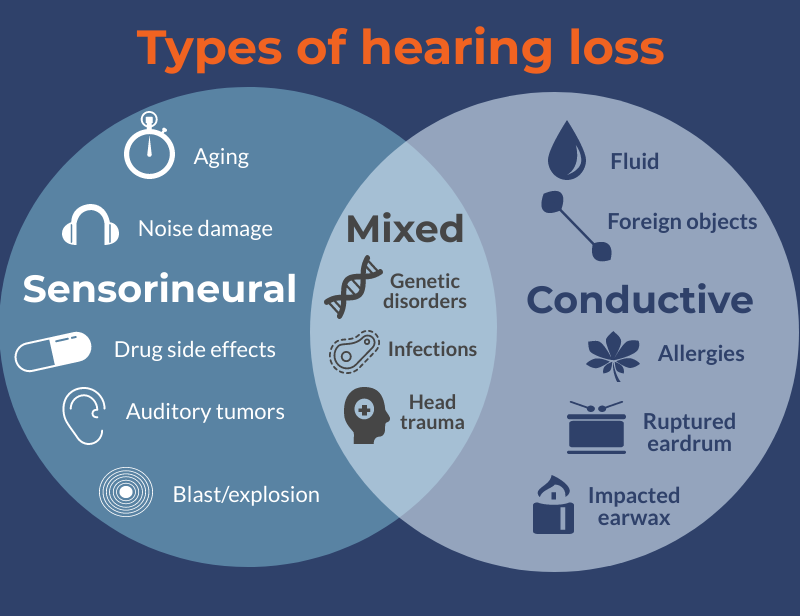
Hearing Loss Types Learn About Sensorineural Conductive And Mixed

Child With Bilateral Sensorineural Hearing Loss Loves Her Ears

Pediatric Hearing Loss American Academy Of Pediatrics

Child With Bilateral Sensorineural Hearing Loss Loves Her Ears

Raising Deaf Kids
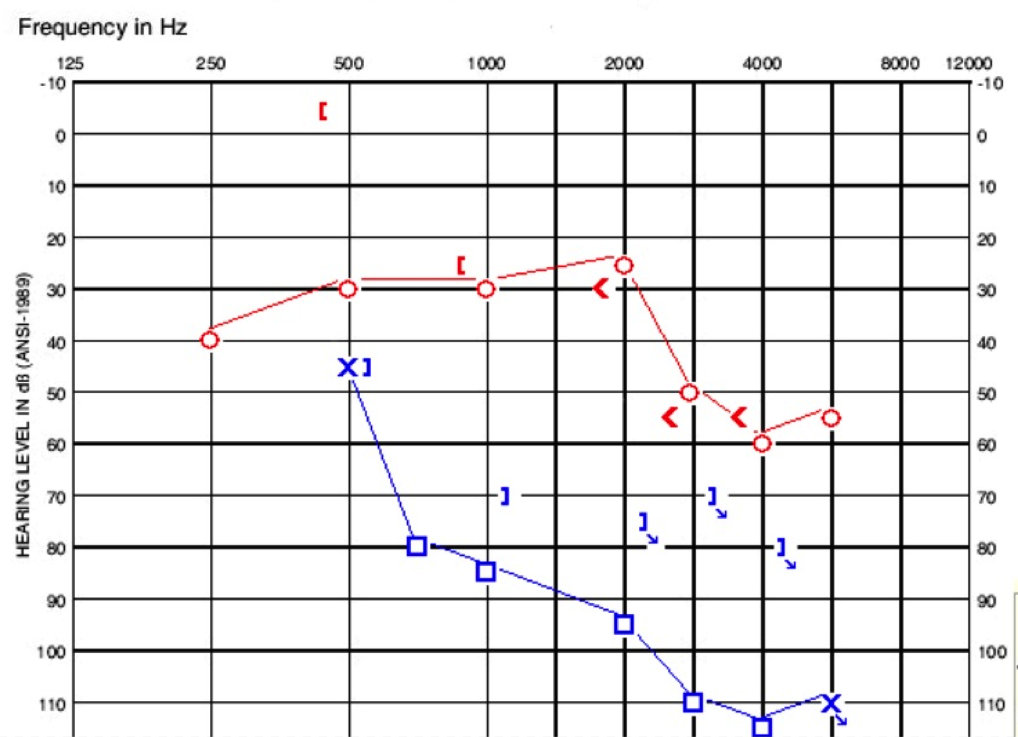
Advanced Management Of Complex Cases Enlarged Vestibular Aqueduct

Paediatric Hearing Loss The Bmj
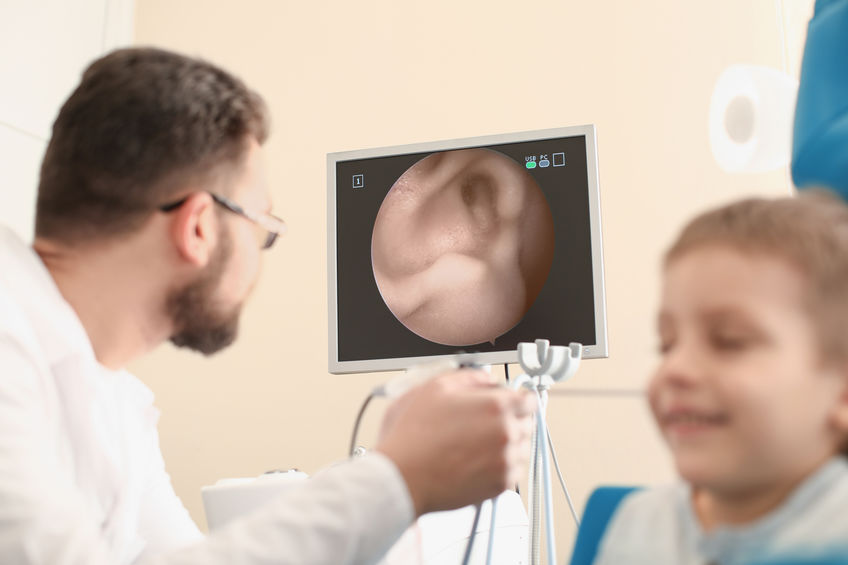
Hearing Loss In Children Everything You Need To Know
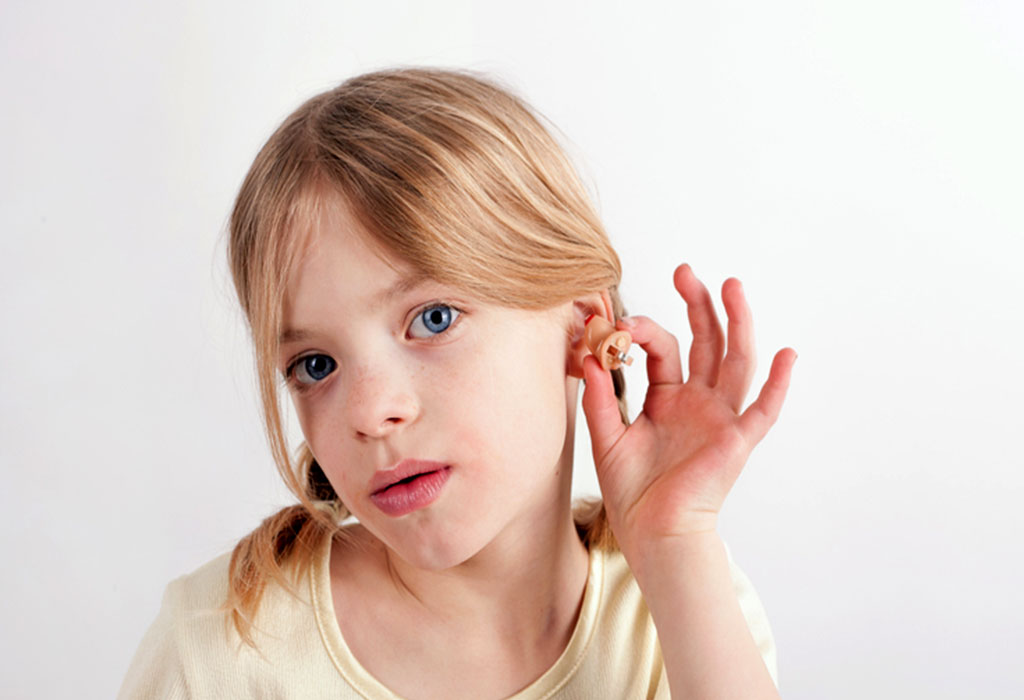
Hearing Loss In Kids Reaosns Signs Treatment

My Child Has Hearing Loss Cochlear Singapore
/low-frequency-hearing-loss-1048828_FINAL-5c3b94af46e0fb0001f1cf2f.png)
Low Frequency Hearing Loss Overview And More
