Bilateral Skin Dimples

An Infant With Dimples On Both Shoulders Bmj Case Reports

An Infant With Dimples On Both Shoulders Bmj Case Reports

The Association Of Subacromial Dimples With Recurrent Posterior
Https Onlinelibrary Wiley Com Doi Pdf 10 1111 Pde 12010

Off Shoulder For Spring Shoulder Dimples Off Shoulder
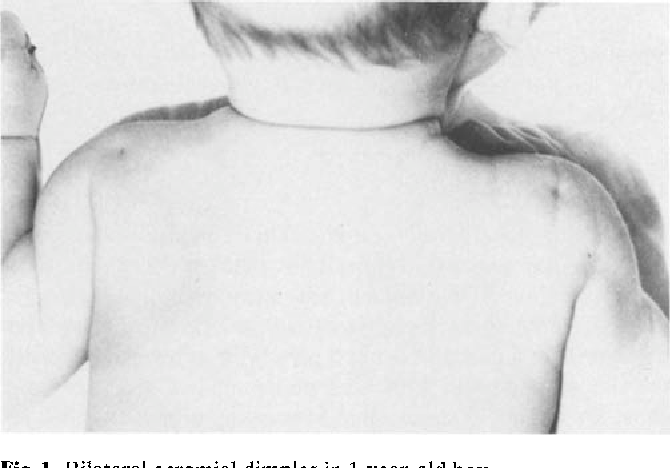
Autosomal Dominant Inheritance Of Benign Bilateral Acromial
Normal dimples facial dimples.
Bilateral skin dimples. Bilateral skin dimples on the shoulders cutaneous depressions commonly known as dimples are uncommon in locations other than the face. It is most common in the legs ankles and feet. Mental retardation hypogonadism cryptorchidism in males and talipes equinovarus 10 8. A sacral dimple is a congenital condition meaning it s present at birth.
In addition this syndrome is characterized by microcephaly midfacial hypoplasia. Sometimes visible they are sagittally symmetrical indentations on the lower. Bilateral acromial dimples are reported as a constant feature of the 18q deletion syndrome wherein the long arm of one of the eighteenth chromosomes is deleted 9 10. This article reports an 18 month old girl with congenital bilateral acromial.
There are no known causes. When swollen skin remains indented after being pressed this is called pitting edema. Acromial dimples may occasionally be present as part of more complex syndromes. Rarely sacral dimples are associated with a serious underlying abnormality of the spine or.
This most likely represents benign autosomal acromial dimples a rarely reported autosomal dominant condition. Edema refers to swelling caused by excess fluid. A sacral dimple consists of an indentation or pit in the skin on the lower back just above the crease between the buttocks. An infant had deep dimple like depressions near the acromion bilaterally.
Bilateral acromial dimples are uncommon in pediatric dermatology. A branchial cleft cyst which may appear as a small opening skin tag or dimpling on the side of the neck can become infected and drain fluid. The fissure in the. These bilateral back dimples dubbed dimples of venus are caused by a short ligament stretching between the posterior superior iliac spine and the skin according to a 2014 article in the international journal of dermatology.
This is a y shaped deformation on the chin with an underlying bony peculiarity. Signs of edema include. These are small indentations on one or both cheeks. All such malformations of the outer ear when taken together occur in less than 1 percent of otherwise healthy babies.
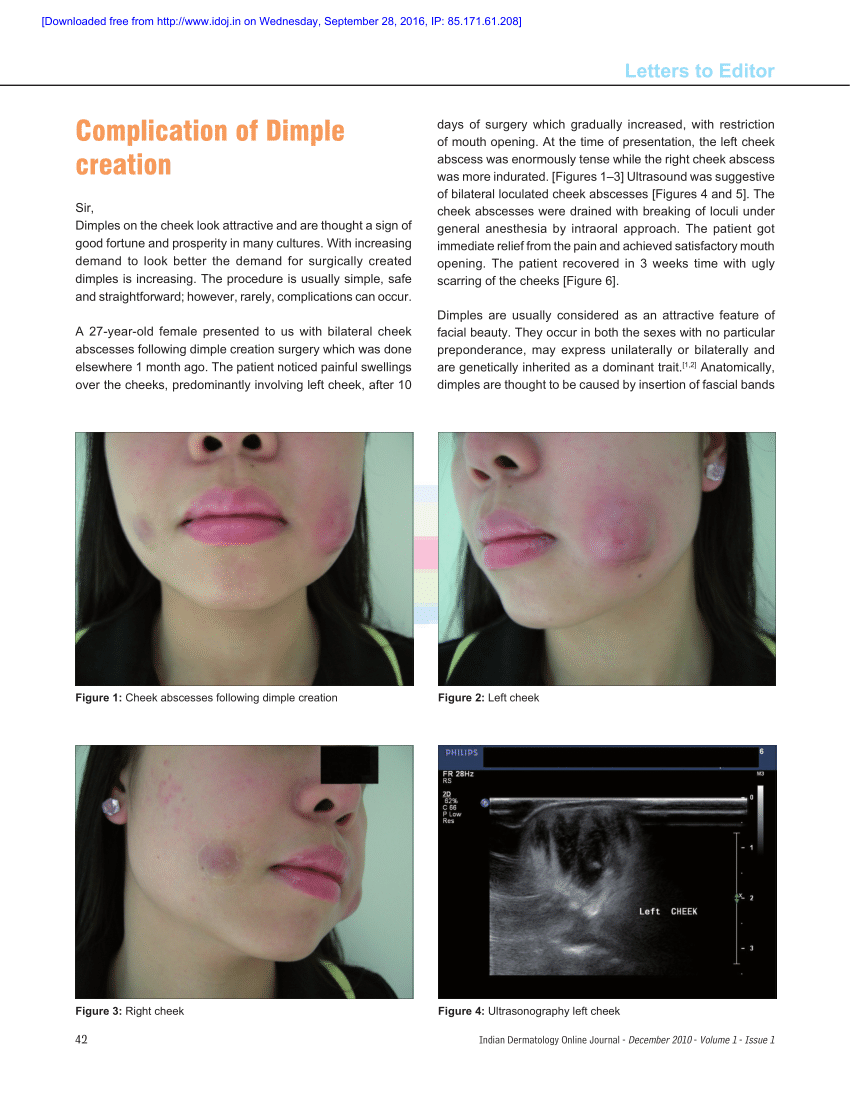
Pdf Complication Of Dimple Creation

Bilateral Remarkable Skeletal Deformities Consisting Of Short And
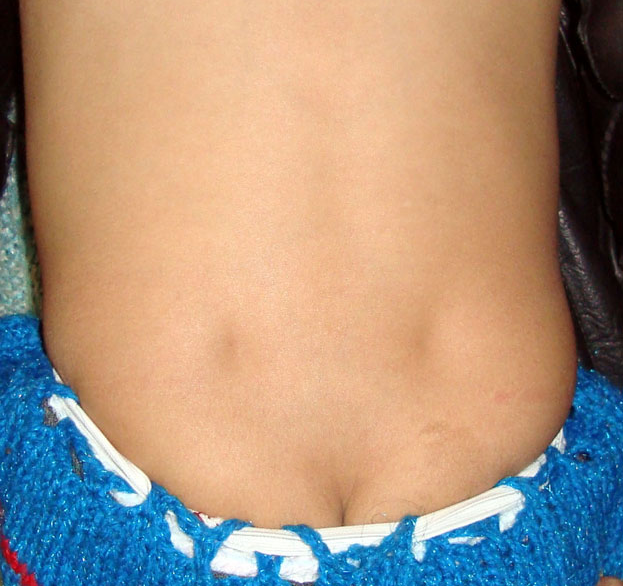
Figure 2 From Skin Dimples Semantic Scholar
Https Onlinelibrary Wiley Com Doi Pdf 10 1111 Pde 12010
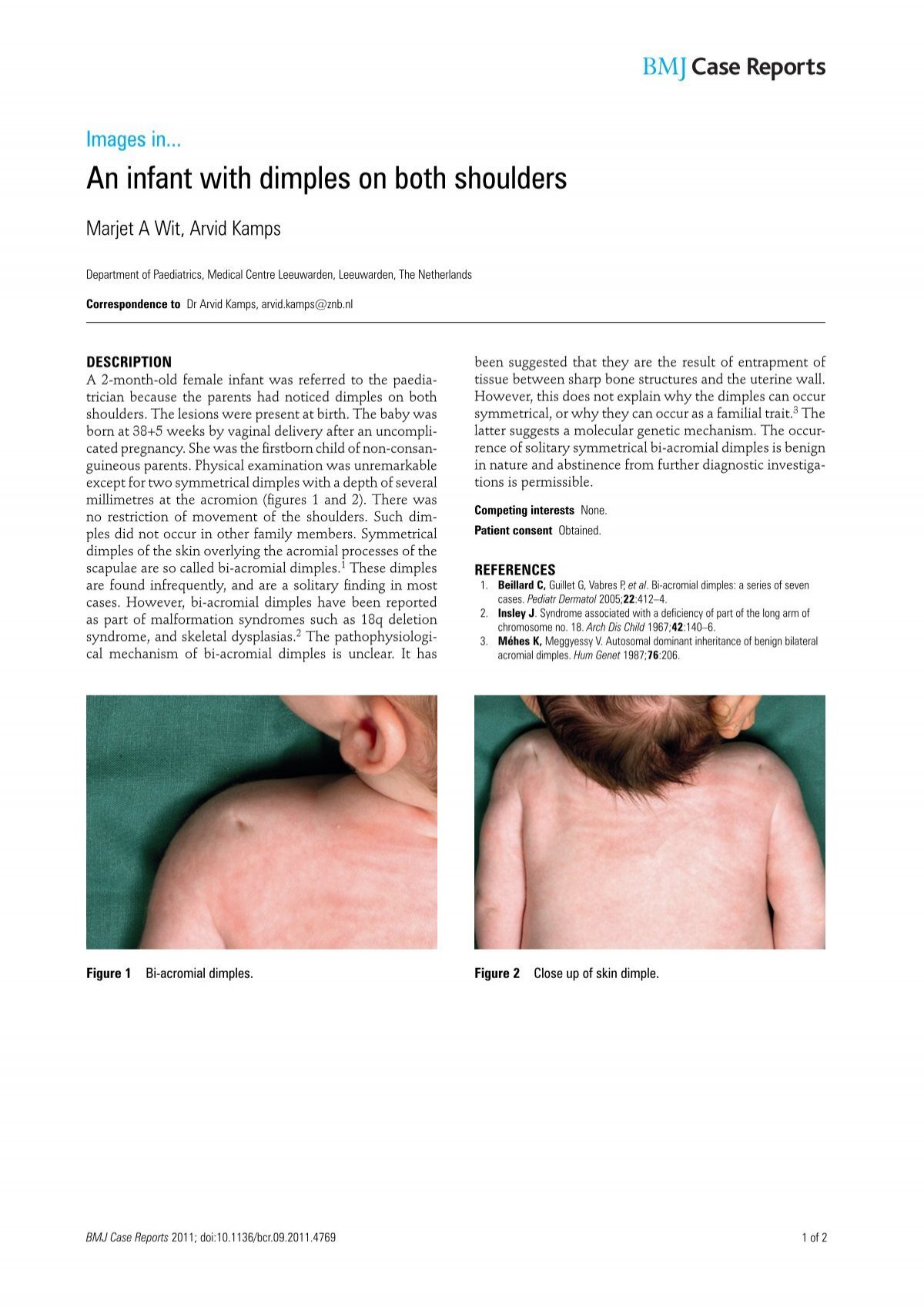
An Infant With Dimples On Both Shoulders Bmj Case Reports

Shoulder Dimples Cause How Common Get Bilateral Dimples On

Clinical Features Of A Campomelic Dysplasia Patient A Pretibial

Bilateral Dimples That Are Rarely Seen In The Lower Alignment Of

Skin Dimples Kumar 2014 International Journal Of Dermatology

Pdf Bilateral Dimples That Are Rarely Seen In The Lower Alignment

Shoulder Dimples I Have Some People Always Think They Are

The Truth About Dimples

Shoulder Dimples Cause How Common Get Bilateral Dimples On
