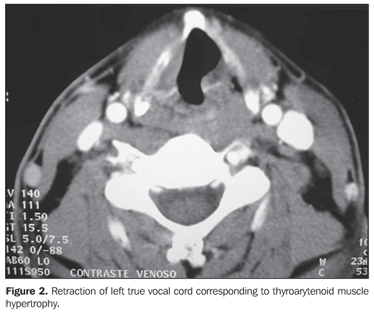
Bilateral Vocal Cord Palsy Radiology

Vocal Cord Paralysis Radiology Reference Article Radiopaedia Org

Ct Assessment Of Vocal Cord Medialization American Journal Of

Radiology Of Vocal Cord Palsy Sciencedirect
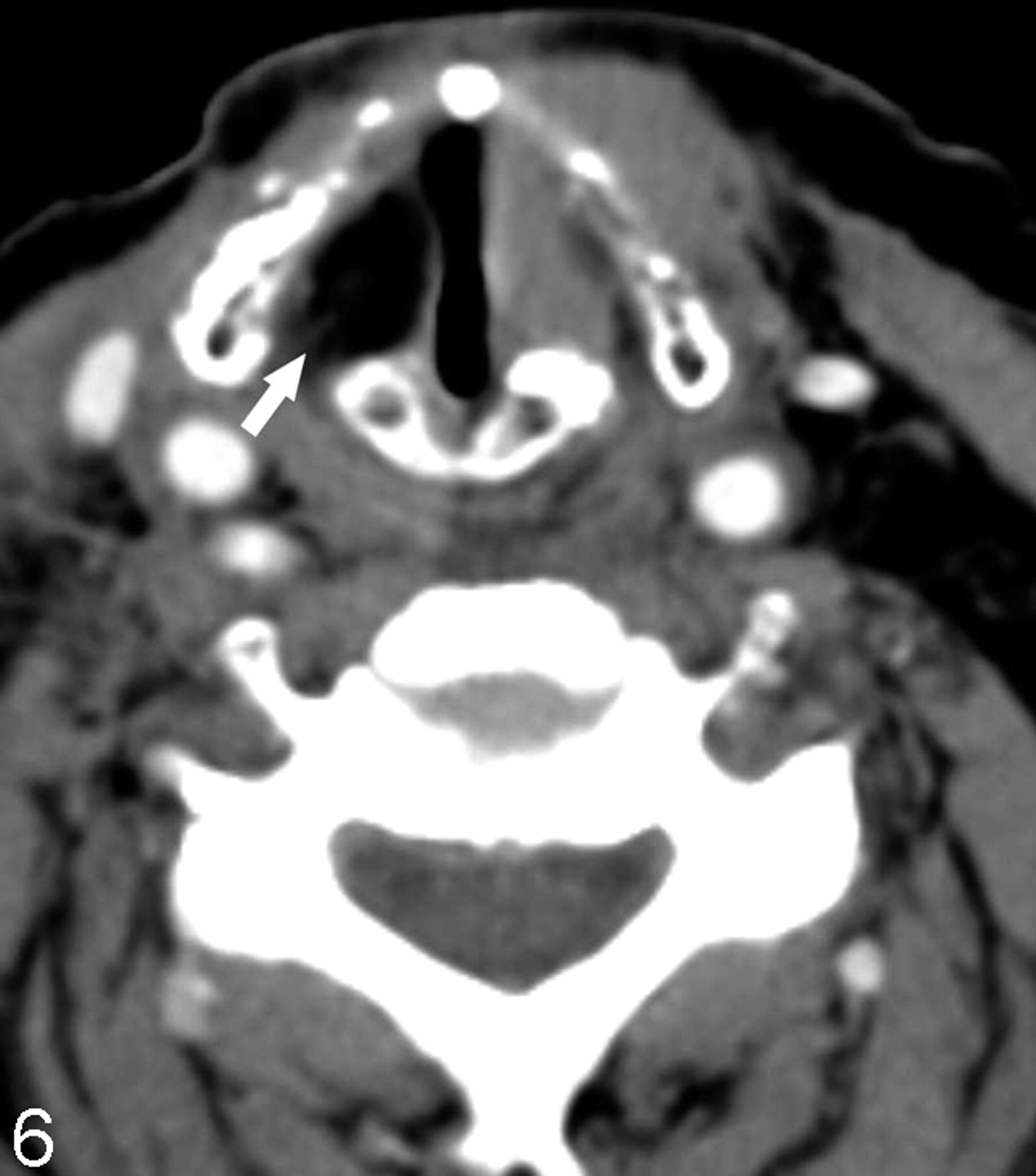
Ct Assessment Of Vocal Cord Medialization American Journal Of
Http Pdf Posterng Netkey At Download Index Php Module Get Pdf By Id Poster Id 105079
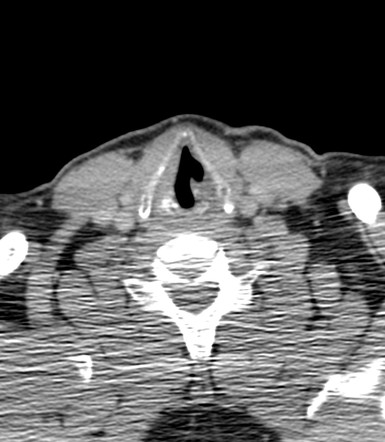
Vocal Cord Paralysis Radiology Reference Article Radiopaedia Org
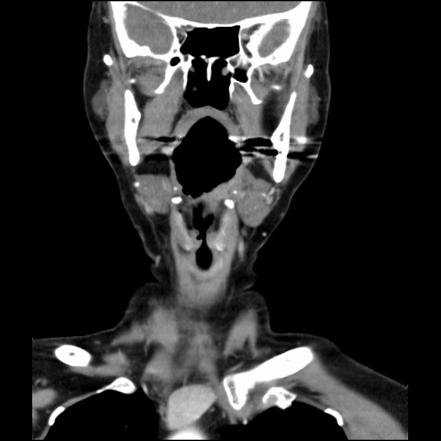
Associated symptoms of vocal cord issues.
Bilateral vocal cord palsy radiology. When neither one of the vocal cords can move this often results in a constriction of the airway. A nasopharyngolaryngoscopy revealed bilateral true vocal cord paralysis. Dilatation of the right pyriform sinus. Fullness and medial displacement of the right aryepiglottic fold.
Vocal cord paralysis may be the first presentation of severe pathology. Bilateral vocal cord paralysis may present as dyspnea if the paralyzed cords rest close to the midline reducing the glottic area available for air movement. Following extubation he had consistent and gradual recovery of mental status. Radiologists must be aware of imaging characteristics and mimics of vocal cord paralysis.
Since vocal cords are unable to move with bilateral vocal cord paralysis issues with breathing and eating often present due to constriction of the airway. The following features of right vocal cord paralysis are demonstrated. Bilateral vocal cord paralysis a serious medical condition occurs due to the lack of movement of either vocal cord. Bilateral vocal fold paralysis is a serious medical condition where neither one of the vocal cords can move.
Shortness of breath may develop due to the inadequate passing of air through the vocal cords. Dilatation of the right vallecula. Enlargement of the right laryngeal ventricle. Abstract imaging is frequently carried out for the investigation of vocal cord palsy and cord palsy needs to be considered as a sign of a more sinister underlying disease.
Thickening and medial displacement of the right vocal cord. It is important to consider vocal cord palsy as a sign of more serious disease rather than a diagnosis in itself. Lesions along the vagal nerves and recurrent laryngeal nerves can cause vocal cord paralysis. There are surgical clips indicating prior thyroidectomy and perioperative.
Vocal cord palsy is a common reason for cross sectional imaging of the head and neck. The diagnosis may also be made incidentally on laryngoscopy or imaging as up to one third of patients with impaired vocal cord impairment are asymptomatic 1.
Vocal Cord Paralysis Radiology Reference Article Radiopaedia Org

Finding A Voice Imaging Features After Phonosurgical Procedures
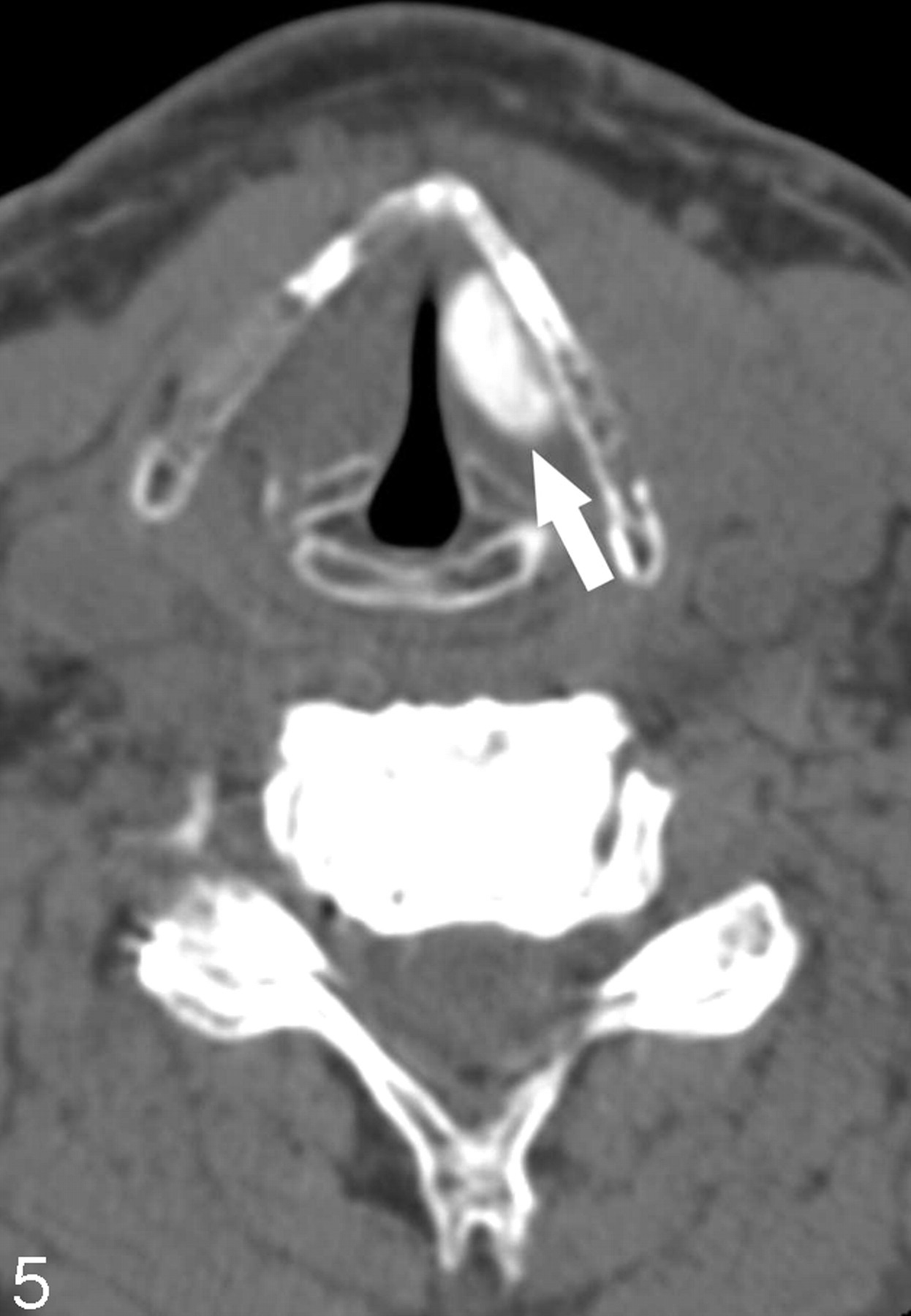
Ct Assessment Of Vocal Cord Medialization American Journal Of

Unilateral Vocal Cord Paralysis Secondary To Central Bronchogenic

Radiology Of Vocal Cord Palsy Sciencedirect

Ct Assessment Of Vocal Cord Medialization American Journal Of
Https Pdfs Semanticscholar Org 8867 17408840d102fdb833bfb130328c6a4110a6 Pdf

Axial Ct Images Demonstrate Imaging Features Of Vocal Fold

Pdf Computerized Tomographic Assessment Of Vocal Cord Palsy

Mushroom Sign Sail Sign Vocal Cord Paralysis Diagnostic
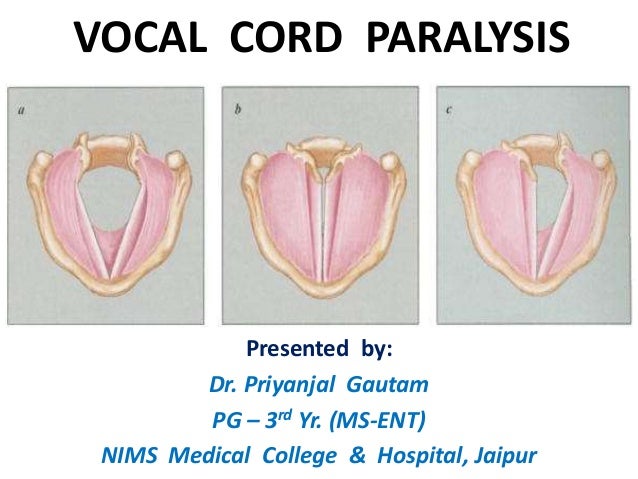
Vocal Cord Paralysis
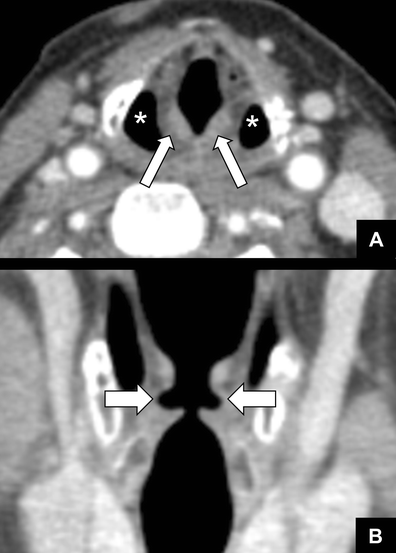
Vocal Cord Paralysis Anatomy Imaging And Pathology Springerlink
Https Www Ajronline Org Doi Pdf 10 2214 Ajr 180 4 1801165