Progressive Bilateral Vestibulopathy

Progressive Bilateral Vestibular

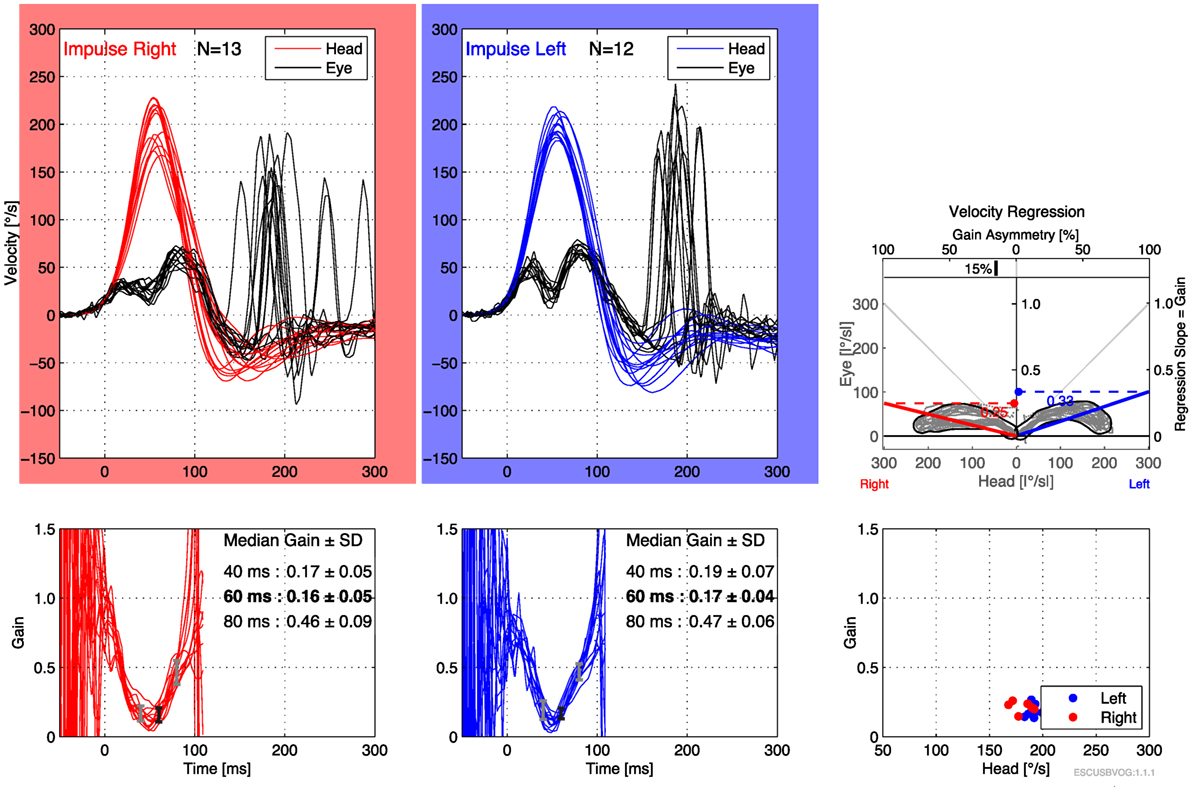
Bilateral Vestibulopathy Shown On Horizontal And Vertical
Frontiers Bilateral Vestibular Weakness Neurology
Frontiers Bilateral Vestibular Weakness Neurology

Progressive Bilateral Vestibular

Patients With A Bilateral Vestibulopathy Of Definite Or Probable
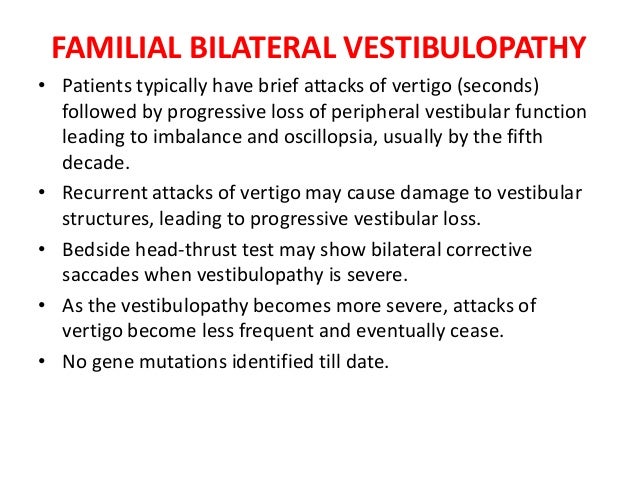
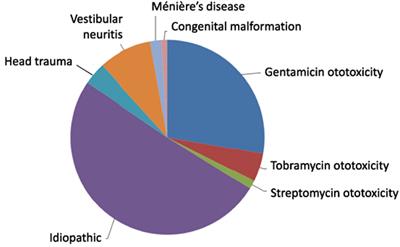
Bilateral vestibular hypofunction and loss can occur as secondary to a number of different problems including ototoxicity meningitis sequential vestibular neuritis progressive disorders autoimmune disorders chronic inflammatory peripheral polyneuropathy congenital loss and neurofibromatosis.
Progressive bilateral vestibulopathy. A 66 year old patient presented with limited eye movement and mild ptosis which led to a diagnosis of chronic progressive external ophthalmoplegia. Since february 2017 barany society has established diagnostic criteria s 2 allowing a consensual definition of bvh. Bilateral vestibulopathy is a chronic vestibular syndrome which is characterized by unsteadiness when walking or standing which worsen in darkness and or on uneven ground or during head motion. For the diagnosis of general vestibulopathy history remains important.
Bilateral vestibulopathy is an important cause of progressive imbalance in adults and should be considered even when hearing is normal and associated recurrent vertigo is absent. In patients with chronic bilateral combined vestibulopathy conspicuous cerebellar dysfunction may mask peripheral vestibular involvements. Rotary chair testing suggested vestibular involvement. Idiopathic bilateral vestibulopathy is an important cause of progressive imbalance in adults and should be considered even though hearing is normal.
Apart from this age is also a major risk factor for this disease. However 10 of vestibulopathy is also caused due to infection bilateral ear surgery sarcoidosis meniere s disease congenital disorder migraine and mondini malformation etc. Bilateral vestibular hypofunction bvh is a rare but disabling condition characterized by bilateral reduced or absent vestibular function due to vestibular end organ and or vestibular nerve dysfunction 1. Bppv bilateral vestibular loss meniere s disease migraine associated vertigo etc.
A previous study suggested that such patients would find it challenging to develop central adaptation for their imbalance because bilateral vestibulopathy weakens primary vestibular function. The spontaneous recovery of patients with bv is relatively rare and incomplete. Additionally patients may describe head or body movement induced blurred vision or oscillopsia. We report the clinical features of 22 patients with acquired bilateral vestibulopathy of unknown cause.
Thus the progressive and bilateral nature of the pathology is important when planning treatment and predicting prognosis.

Progressive Bilateral Vestibular

Bilateral Vestibulopathy Demonstrated On Video Head Impulse
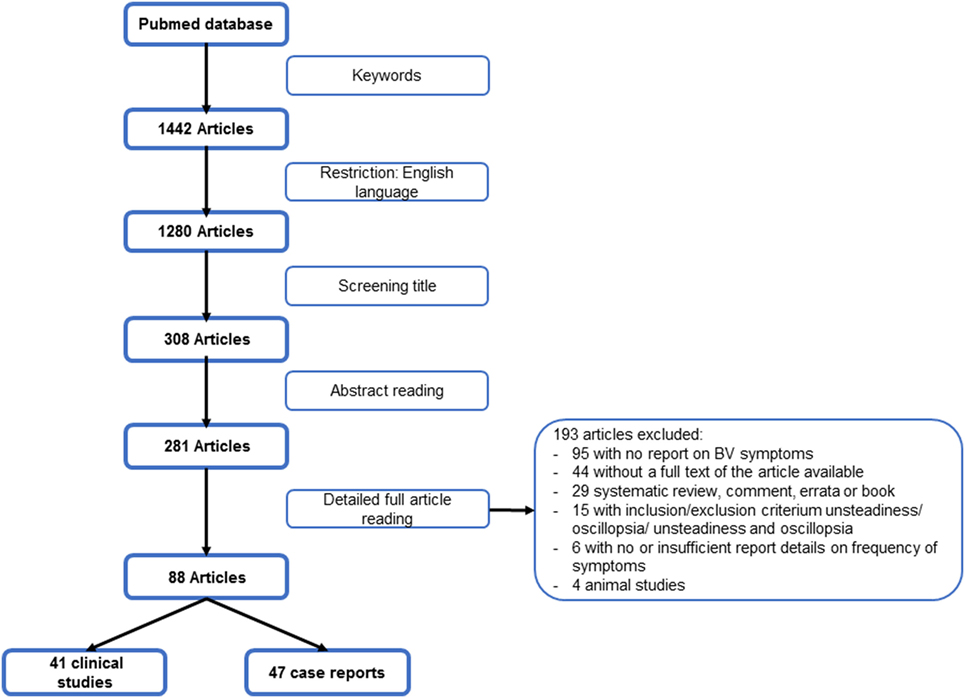
Frontiers Full Spectrum Of Reported Symptoms Of Bilateral

Follow Up Of Vestibular Function In Bilateral Vestibulopathy
Vertigo

Clinical Data Of Patients With Bilateral Vestibulopathy
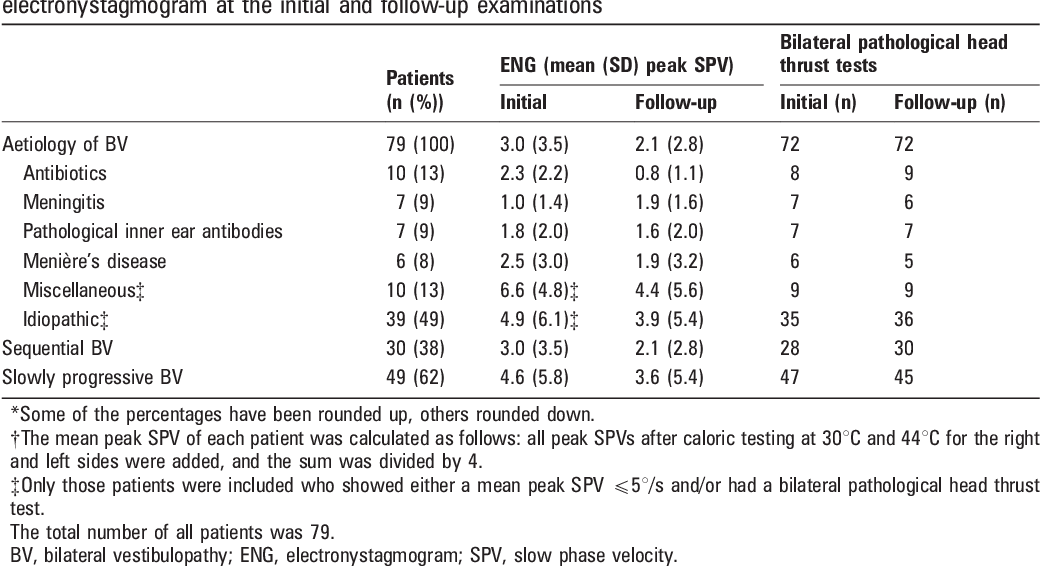
Table 1 From Follow Up Of Vestibular Function In Bilateral
Https Www Turkarchotolaryngol Net Content Files Sayilar 78 Buyuk 174 1763 Pdf

Advances In The Diagnosis And Treatment Of Vestibular Disorders
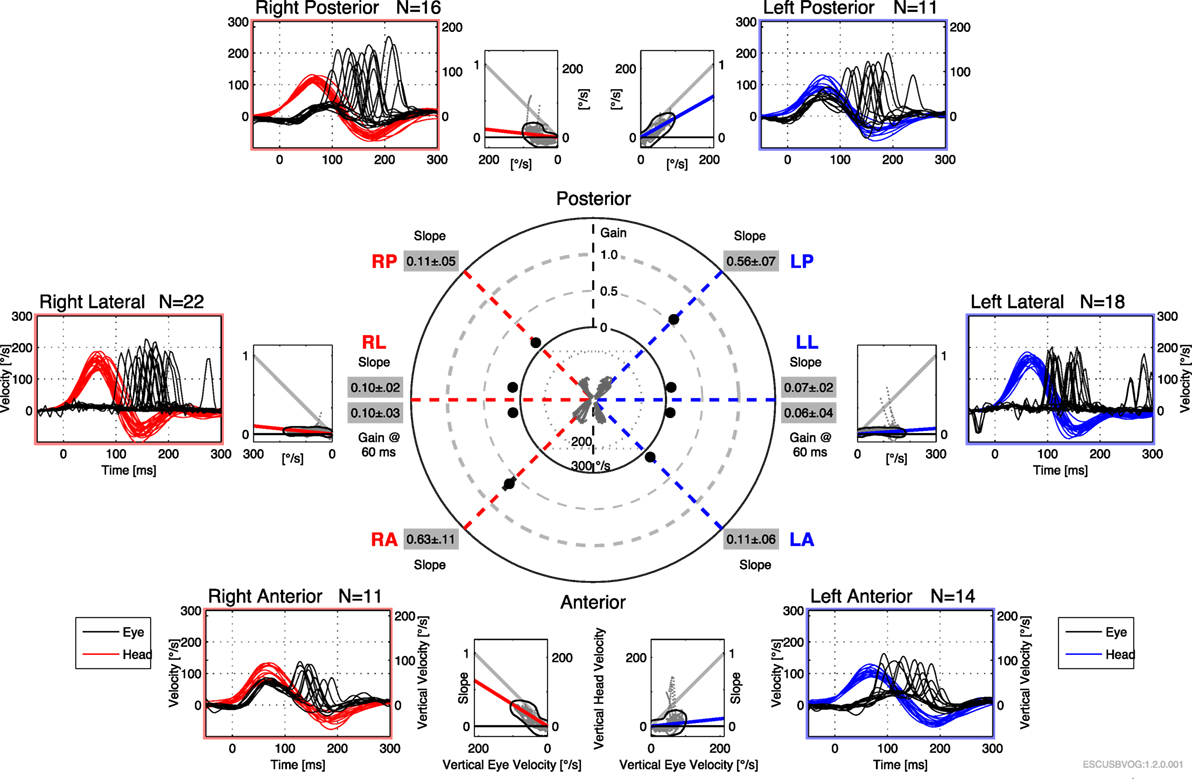
Frontiers Bilateral Vestibular Weakness Neurology

Pdf Cerebellar Ataxia With Bilateral Vestibulopathy Description
