Symptoms Of Bilateral Pulmonary Embolism
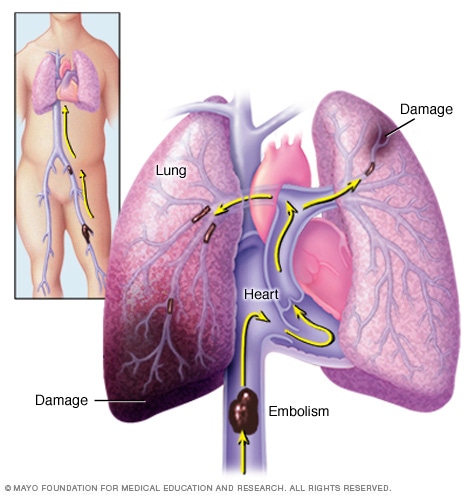
Pulmonary Embolism Symptoms And Causes Mayo Clinic
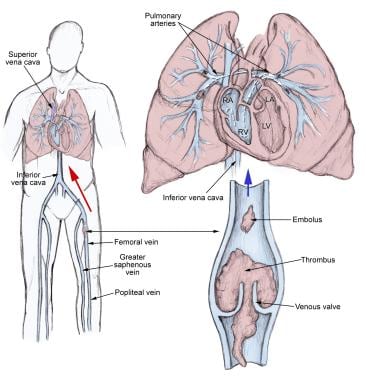
Pulmonary Embolism Pe Practice Essentials Background Anatomy
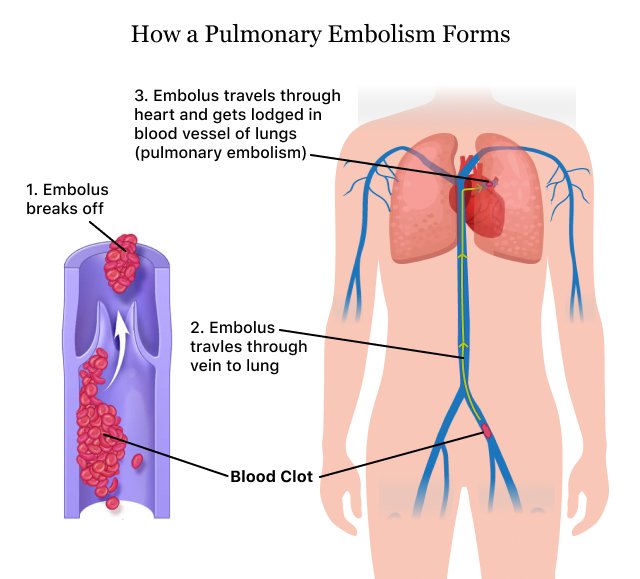
Pulmonary Embolism Pe Causes Of A Blood Clot In The Lung

Pulmonary Embolism Blood Clot In Lung Symptoms Causes Cure

Pulmonary Embolism Healthdirect

What Are The Symptoms Of A Blood Clot Unc Hemophilia And
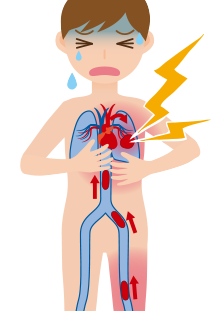
Rapid or irregular heartbeat.
Symptoms of bilateral pulmonary embolism. One of the most common symptoms of bilateral pulmonary embolism is shortness of breath that occurs suddenly even when the patient is sitting down. The blood clot that s responsible for the pulmonary embolism lodges in the blood vessels that irrigate the lungs causing an acute pleuritis which is the inflammation of the outside lining of the lungs. A pulmonary embolism pe happens when a blood clot gets caught in an artery in the lungs. This may be gradual or.
Leg pain or swelling or both usually in the calf caused by a deep vein thrombosis. Swelling of a leg or arm. Chest pain is another common sign and while it often becomes worse during exertion it is still present when the patient is at rest. Veins in your arm or leg that are larger than normal.
This blockage can cause serious problems like lung damage low oxygen levels and even death. You may want to prepare a list that includes. Other signs and symptoms that can occur with pulmonary embolism include. Chest pain the chest pain in pulmonary embolism is especially severe and may seem similar to a heart attack.
The most common symptom of a pulmonary embolism is shortness of breath. Pulmonary embolism is often initially evaluated in hospitals emergency rooms or urgent care centers. Red or discolored skin in the affected arm or leg. What you can do.
In this article we. Symptoms of a pulmonary embolism depend on the size of the clot and where it lodges in the lung. However each person may experience symptoms differently. Caused by a blood clot a pulmonary embolism is a serious but very treatable condition if done immediately.
These embolisms affect an estimated 1 in 1 000 people in the u s. Signs of dvt include. A swollen leg or arm that feels warmer than normal. Leg pain or tenderness when you re standing or walking.
Symptoms of a pulmonary embolism include sudden shortness of breath pain in and around the chest and coughing. A pulmonary embolism is a blockage in the pulmonary artery which supplies blood to the lungs. Sudden shortness of breath most common chest pain usually worse with breathing. Detailed descriptions of your symptoms.

Pulmonary Embolism Society For Vascular Surgery
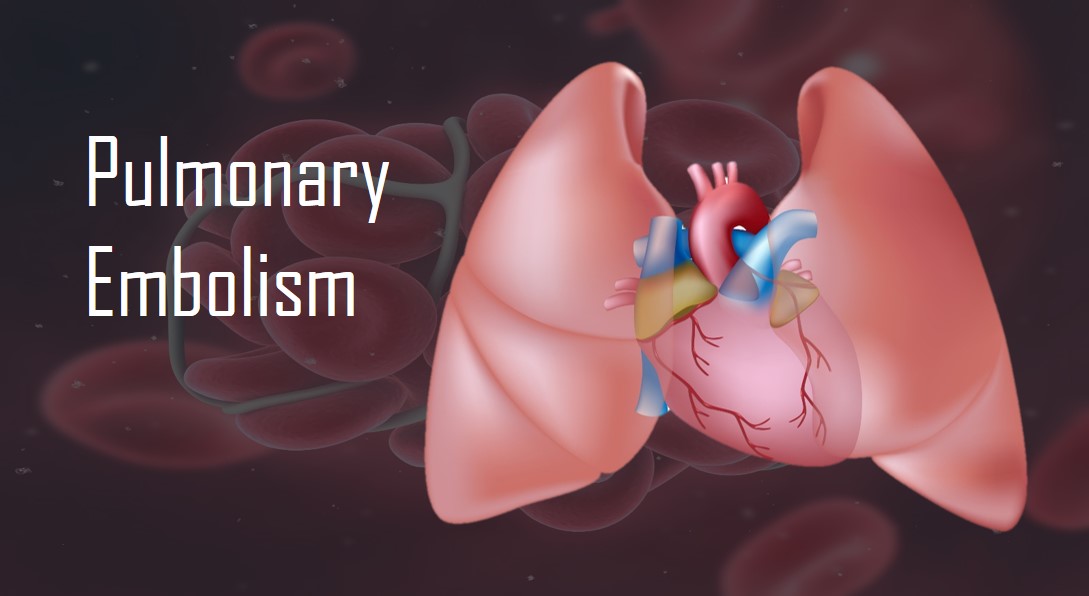
Pulmonary Embolism The Killer Clot In The Lungs Myheart
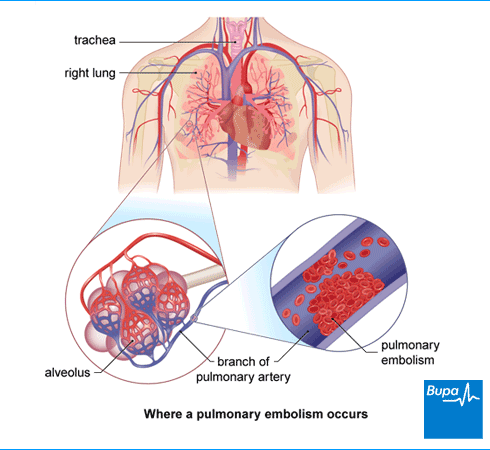
Pulmonary Embolism Health Information Bupa Uk

Signs And Symptoms Of Pulmonary Embolism

Prehospital Stabilization Of Pulmonary Embolism Ems World

Pulmonary Embolism Pe Pulmonary Disorders Merck Manuals

Pulmonary Embolism Wikipedia

What Is A Saddle Pulmonary Embolism Pe

Pin On Pulmonary Embolism Survivor Massive Bilateral

Pulmonary Embolism Explained Clearly Risk Factors

Eight Pearls For The Crashing Patient With Massive Pe

Pulmonary Embolus
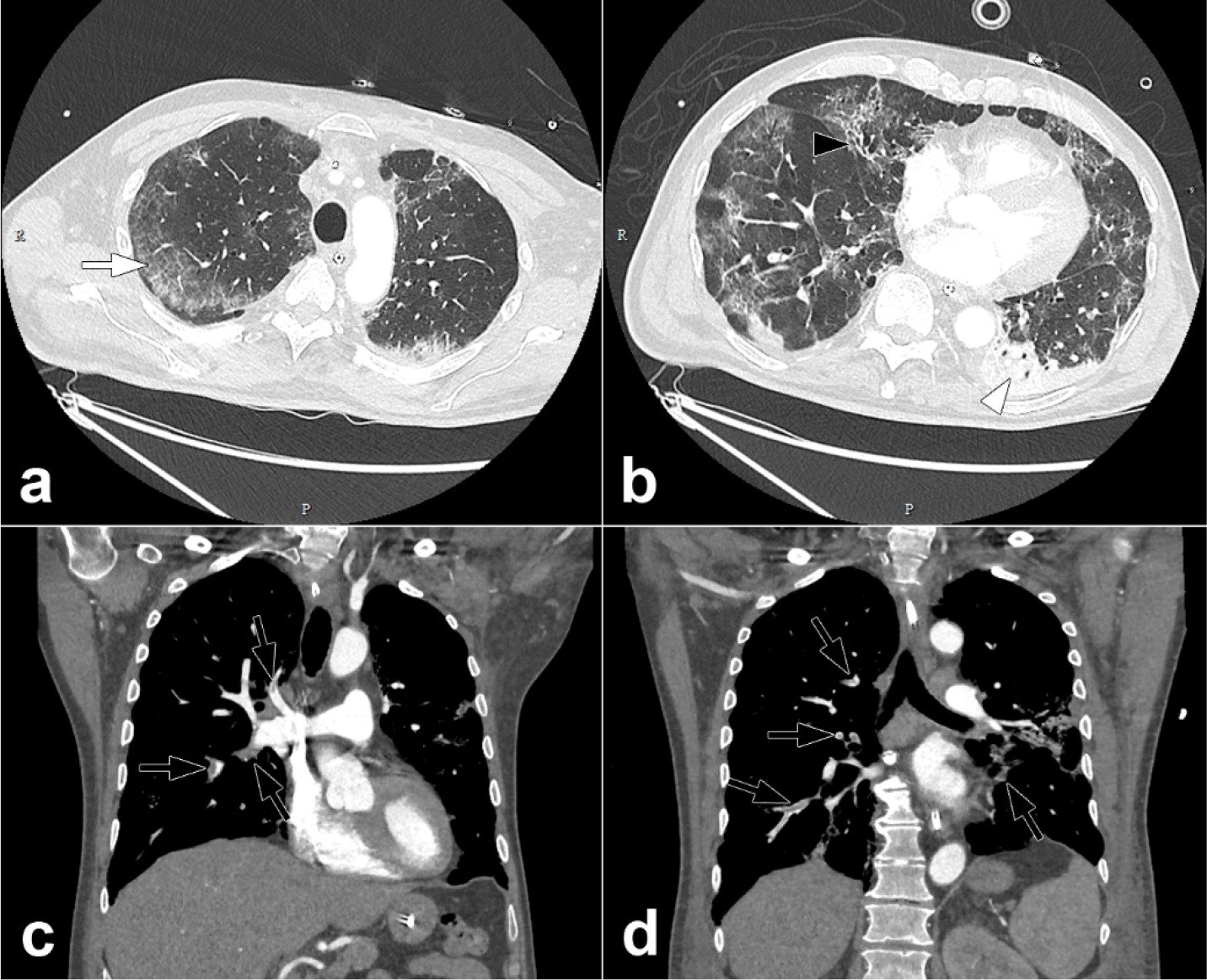
New Research Highlights Blood Clot Dangers Of Covid 19 Imaging